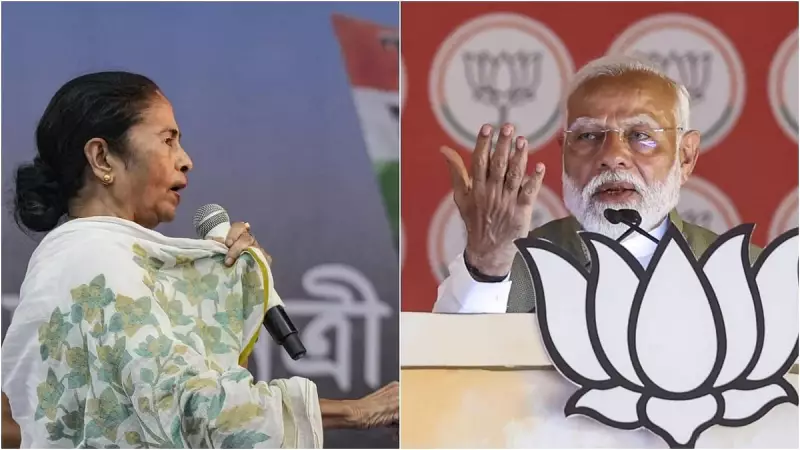
The small town of Singur in West Bengal has once again captured political attention. This resurgence comes just ahead of Prime Minister Narendra Modi's scheduled visit to the state. The timing has ignited a fierce war of words between the Bharatiya Janata Party and the ruling Trinamool Congress.
The Core of the Controversy
At the heart of the debate lies the industrial scenario in Bengal. Both parties are presenting starkly different narratives about the state's business environment and its future prospects.
A Legacy Project and Its Aftermath
The discussion inevitably circles back to a pivotal moment in the state's recent history. The Tata Motors Nano car project was originally slated for Singur. A massive anti-land acquisition movement, spearheaded by Mamata Banerjee and her Trinamool Congress, opposed the project during the tenure of the erstwhile Left Front government.

This sustained agitation ultimately led to a major corporate decision. Tata Group relocated its ambitious Nano manufacturing plant from West Bengal to Gujarat. The move was seen as a significant setback for industrial development in the state at that time.
Political Narratives Collide
Today, the BJP is leveraging this historical episode. The party argues that the incident created a lasting perception of Bengal as being hostile to large-scale industry and investment. They claim it damaged the state's credibility among national and global investors for years.
In sharp contrast, the Trinamool Congress defends its past actions. The TMC leadership frames the Singur movement as a necessary struggle for farmers' rights and against forceful land acquisition. They now point to other industrial investments and projects that have since come to the state under their governance, attempting to paint a picture of recovery and growth.
The Stakes of the Current Moment
Prime Minister Modi's visit adds a new layer of significance to this old debate. His presence is likely to include commentary on infrastructure, development, and economic opportunities in eastern India. Political observers note that Singur serves as a potent symbol for both sides.
For the BJP, it is an example of what they call "political obstructionism" that cost Bengal jobs and progress. For the TMC, it remains a foundational story of their rise to power, built on a platform of protecting agricultural land and local interests.
The war of words is expected to intensify in the coming days. Public statements, press conferences, and social media campaigns from both camps will likely focus on interpreting Singur's legacy. The core question being debated is whether the state has truly moved past that chapter and created a more stable and welcoming ecosystem for business and manufacturing.
As the political temperature rises, the people of Singur and West Bengal watch closely. The outcome of this rhetorical battle could influence public perception ahead of future electoral contests and impact the narrative around Bengal's economic destiny.