Sindhudurg Zilla Parishad and Panchayat Samiti Elections: A 2017 Retrospective
The 2017 elections for the Sindhudurg Zilla Parishad and its constituent Panchayat Samitis in Maharashtra were a significant political event, shaping local governance in this coastal district. Held as part of Maharashtra's broader local body polls, these elections determined the composition of rural administrative bodies critical for development and public service delivery.
Election Overview and Seat Distribution
In 2017, elections were conducted for the Sindhudurg Zilla Parishad, which oversees district-level rural administration, and multiple Panchayat Samitis (block-level councils) within the district. The Zilla Parishad comprises elected members from various territorial constituencies, while Panchayat Samitis represent smaller administrative blocks, focusing on grassroots governance.
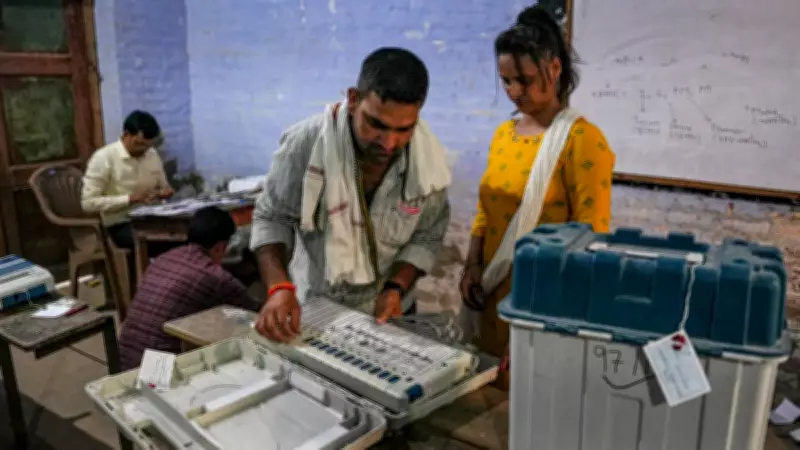
The election process involved direct voting by residents to choose representatives for these bodies. Key issues during the campaign included rural infrastructure, agricultural support, water management, and healthcare access, reflecting the socio-economic priorities of Sindhudurg's predominantly rural population.

Political Dynamics and Key Outcomes
Political parties and independent candidates actively contested the elections, with major players including the Bharatiya Janata Party (BJP), Indian National Congress (INC), Nationalist Congress Party (NCP), and Shiv Sena. The results revealed a competitive landscape, with no single party securing an absolute majority in all bodies, leading to coalition formations and strategic alliances.
In the Sindhudurg Zilla Parishad, seat distribution showed a fragmented mandate, with parties like BJP and NCP making significant gains in certain areas, while independents and regional groups also won seats. Similarly, Panchayat Samiti elections across blocks such as Sawantwadi, Kudal, and Malvan witnessed varied outcomes, influenced by local factors and candidate popularity.
Notable aspects of the 2017 elections included:- High voter turnout, indicating robust civic engagement in rural Maharashtra.
- Focus on development agendas over ideological divides, with candidates emphasizing local issues.
- Emergence of women and youth candidates, contributing to diverse representation.
- Post-election negotiations for leadership positions, impacting governance stability.
Impact and Legacy of the 2017 Polls
The 2017 elections set the stage for a five-year term of local governance in Sindhudurg, with elected bodies responsible for implementing schemes, managing funds, and addressing community needs. Outcomes influenced subsequent political strategies in Maharashtra, as parties assessed their rural support bases ahead of state and national elections.
Analysis of the results highlights the importance of hyper-local factors in determining electoral success, such as candidate credibility, incumbency performance, and issue-based campaigning. The elections also underscored the role of Panchayati Raj institutions in India's democratic framework, empowering communities through decentralized decision-making.