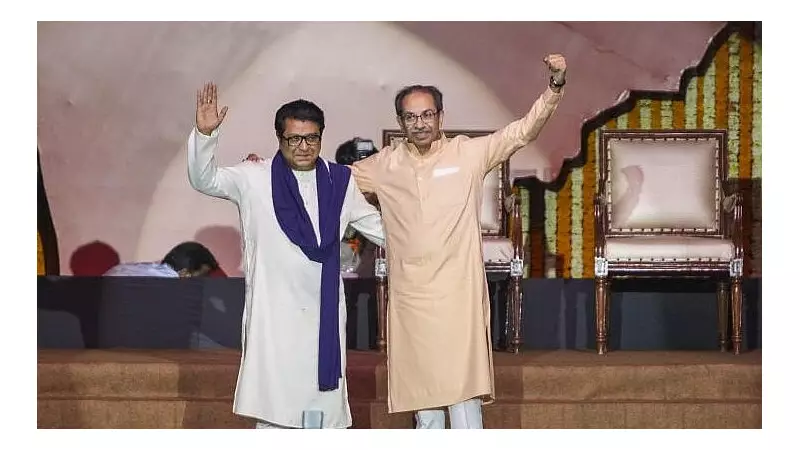
In a dramatic political development, last-ditch negotiations to forge an electoral alliance between the Uddhav Thackeray-led Shiv Sena (UBT) and the Maharashtra Navnirman Sena (MNS) for the crucial Mumbai civic polls have hit a significant roadblock. Sources close to the discussions revealed that the two parties failed to reach a consensus on seat-sharing in several key areas, putting the potential partnership in jeopardy.
Sticking Points in Key Constituencies
The alliance talks, which took place on 22 December 2025, reportedly stumbled over contesting rights in specific pockets of Mumbai where both parties command considerable local support. The primary areas of contention include the prominent neighbourhoods of Dadar, Sewree, Vikhroli, and Bhandup. Neither side was willing to cede ground in these critical zones, leading to a stalemate.
Political observers note that these localities hold symbolic and strategic importance for both factions. Dadar, in particular, is considered a traditional Shiv Sena stronghold and holds immense sentimental value for the Thackeray family. The inability to find a middle ground on these seats underscores the complex challenges of uniting ideologically similar but politically competitive entities.

Implications for the BMC Elections
The failure to secure an alliance has immediate and profound consequences for the upcoming Brihanmumbai Municipal Corporation (BMC) elections. A united front between Shiv Sena (UBT) and MNS was seen by many as a potent strategy to consolidate the Marathi vote bank and present a stronger challenge to the ruling coalition of the Bharatiya Janata Party (BJP) and the Eknath Shinde-led Shiv Sena.
Without an agreement, the parties are now likely to contest independently in these disputed areas, which could lead to a split in votes. This scenario potentially benefits their common political rivals. The last-minute nature of the talks, concluding just ahead of the election process, indicates the high-stakes pressure and the difficult compromises required in Maharashtra's volatile political landscape.
What Comes Next?
As of now, sources indicate that the two sides have not been able to reach an agreement. While doors may not be permanently closed, the window for a formal pre-poll pact appears to be narrowing rapidly. Both parties must now finalize their candidates and campaign strategies independently.
This development sets the stage for a fiercely contested and multi-cornered fight for control of India's richest municipal corporation. The focus now shifts to how the Shiv Sena (UBT) under Uddhav Thackeray and Raj Thackeray's MNS will navigate the polls solo, and whether their competition will redefine political equations in Mumbai for years to come.