

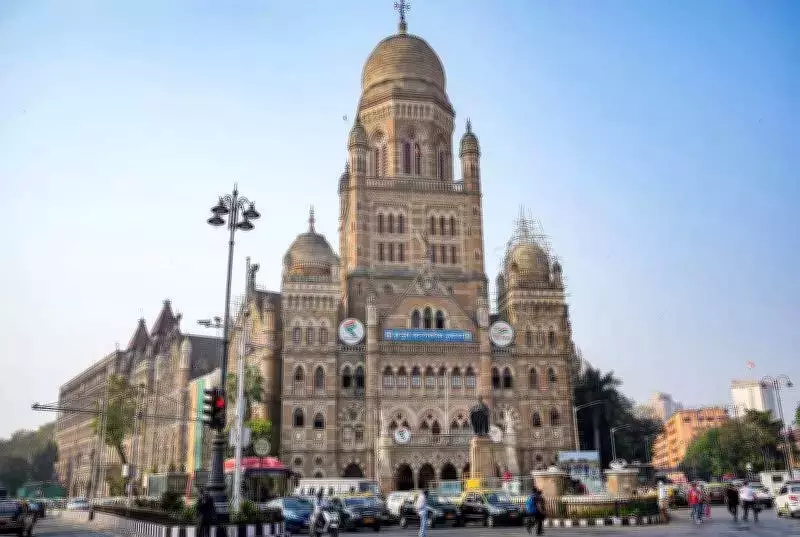
Shiv Sena and NCP Forge Unified Front in Mumbai's BMC Ahead of Mayoral Vote
In a significant political development, the Shiv Sena and both factions of the Nationalist Congress Party (NCP) have officially registered as a single, cohesive group within the Brihanmumbai Municipal Corporation (BMC). This strategic consolidation occurred on Tuesday, just one day prior to the highly anticipated mayoral polls, marking a pivotal moment in Mumbai's civic governance landscape.
Consolidated Strength and Strategic Implications
The newly formed bloc brings together Shiv Sena's 29 corporators with the combined four corporators from the two NCP factions, resulting in a total strength of 33 members. This move is not merely symbolic; it carries substantial procedural and strategic weight. By registering as a unified entity, the bloc becomes entitled to one additional nominated corporator and secures an extra seat in the influential standing committee of the BMC.
This reconfiguration directly impacts the committee's composition: Shiv Sena (UBT) will see its representation in the standing committee reduced from eight members to seven. Conversely, the All India Majlis-e-Ittehadul Muslimeen (AIMIM), which was previously in line to receive a nominated member, will now miss out on this opportunity due to the bloc's formation.

Background and Broader Political Context
The NCP secured three seats in the recent BMC elections, with Ajit Raorane, the lone winner from the NCP (SP) faction, having earlier pledged his support to the Shiv Sena. This pre-existing alliance laid the groundwork for the formal bloc registration, demonstrating a coordinated effort to maximize influence in the corporation's decision-making bodies.
In the broader scheme of BMC nominations, ten corporators are slated to be nominated. The Bharatiya Janata Party (BJP), having won the highest number of seats—89 in total—will receive the largest share of these nominations. However, civic sources have clarified that the formation of the Shiv Sena-NCP bloc will not affect the BJP's representation in any of the statutory panels. Similarly, the number of corporators the BJP will be able to nominate remains unchanged, indicating that this move is primarily aimed at strengthening the opposition's cohesive presence rather than altering the ruling party's advantages.
Analysis and Future Outlook
This unification underscores the dynamic and often fluid nature of political alliances in Mumbai's civic politics. By pooling their resources, the Shiv Sena and NCP factions aim to present a more formidable front in the mayoral election and beyond, potentially influencing key policy decisions and administrative actions within India's financial capital.
The timing of this registration—just before the mayoral polls—highlights its tactical nature, suggesting a well-orchestrated strategy to leverage collective strength at a critical juncture. As Mumbai navigates its civic challenges, from infrastructure to public services, the composition and alliances within the BMC will play a crucial role in shaping the city's future trajectory.






