Sharavathi Valley Power Project Public Hearing Sparks Controversy
The public hearing process for the proposed power project in Karnataka's ecologically sensitive Sharavathi Valley has come under intense scrutiny. Despite thousands of written objections being formally submitted by concerned citizens and environmental groups, the official proceedings appear to have severely limited public participation.
Limited Speaking Slots Amidst Widespread Opposition
Official records from the two public hearing events, now made available to the public, reveal a startling discrepancy. While thousands of detailed written objections were documented, the actual hearing format provided speaking opportunities to only 47 individuals in Shivamogga district and 57 people in Uttara Kannada district. This represents a tiny fraction of those who formally registered their concerns through written submissions.
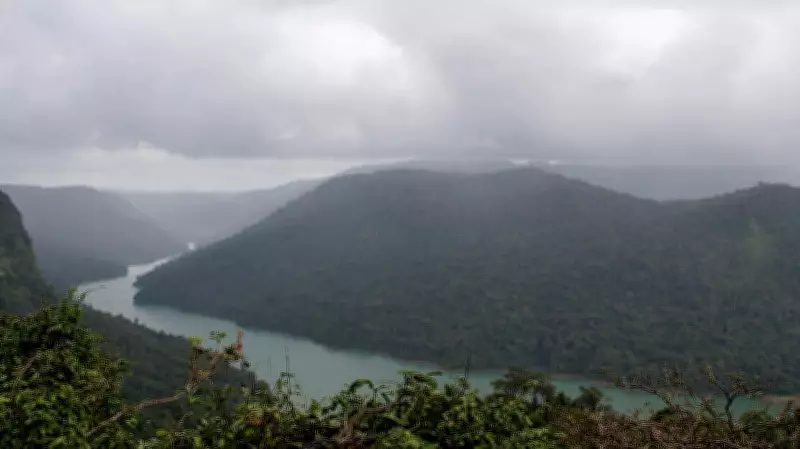
The Sharavathi Valley region, known for its rich biodiversity and crucial water resources, has been at the center of environmental debates for years. Local communities, environmental activists, and concerned citizens have been vocal about potential ecological damage from large-scale development projects in the area.
Procedural Questions Raised
This significant gap between written objections and speaking opportunities has raised serious questions about the transparency and inclusiveness of the public consultation process. Critics argue that by limiting verbal presentations to just 104 individuals across two districts, the hearing failed to adequately represent the scale and diversity of public concern.
The timing of these hearings is particularly noteworthy, occurring as Karnataka continues to balance energy development needs with environmental conservation priorities. The Sharavathi Valley project represents a major infrastructure initiative that could have lasting impacts on the region's ecology and local communities.
Community Response and Next Steps
Environmental groups and local residents have expressed disappointment with what they perceive as a procedural failure to incorporate widespread public feedback. Many are now calling for:
- A more comprehensive review of all written objections submitted
- Transparent documentation of how these objections will be addressed
- Additional opportunities for meaningful public participation
- Clear communication about how public feedback will influence project decisions
The controversy highlights ongoing challenges in balancing development projects with democratic participation and environmental safeguards. As the project moves forward, all eyes will be on how authorities respond to these procedural concerns and whether additional measures will be implemented to ensure genuine public consultation.
This situation serves as a reminder of the critical importance of transparent, inclusive public processes for major infrastructure projects, particularly in environmentally sensitive regions like the Sharavathi Valley.