The Supreme Court on Thursday refused to entertain pleas from individuals on poll duty in the West Bengal Assembly Elections 2026, directing them to approach the appellate tribunals constituted for addressing grievances related to deletion or exclusion of names from the voter list.
The apex court bench, while hearing the matter, emphasized that the appropriate forum for such disputes is the tribunal established under the election laws. The petitioners, who were serving on election duty, had sought the court's intervention regarding alleged irregularities in the voter list.
Background of the Case
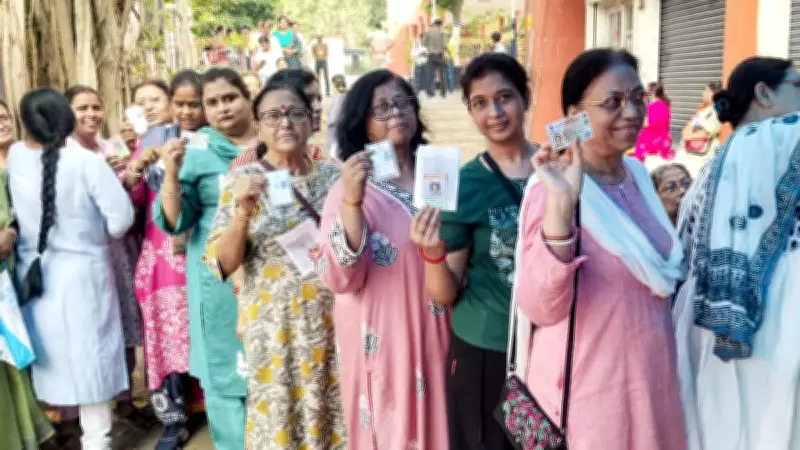
The pleas were filed by individuals who claimed that their names were either deleted or excluded from the voter list, preventing them from exercising their franchise. They argued that being on poll duty should not disqualify them from seeking redressal directly from the Supreme Court.

However, the court noted that the election law provides a specific mechanism for such complaints, including appellate tribunals at the district and state levels. The bench advised the petitioners to exhaust these remedies before approaching higher courts.
Legal Implications
Legal experts view this decision as a reinforcement of the principle that election-related disputes must be resolved through the designated statutory bodies. The Supreme Court's refusal to entertain the pleas underscores the importance of following the hierarchical legal process.
The West Bengal Assembly Elections 2026 are scheduled to be held in multiple phases, with the Election Commission of India ensuring a fair and transparent electoral process. The voter list revision is a key aspect of this process.
This development is likely to impact other similar petitions pending before various courts, as the Supreme Court has set a precedent for adhering to the tribunal route. The appellate tribunals are expected to expedite the hearing of such cases to ensure timely resolution before the elections.