Samastha President Advocates for Party Autonomy in Candidate Selection
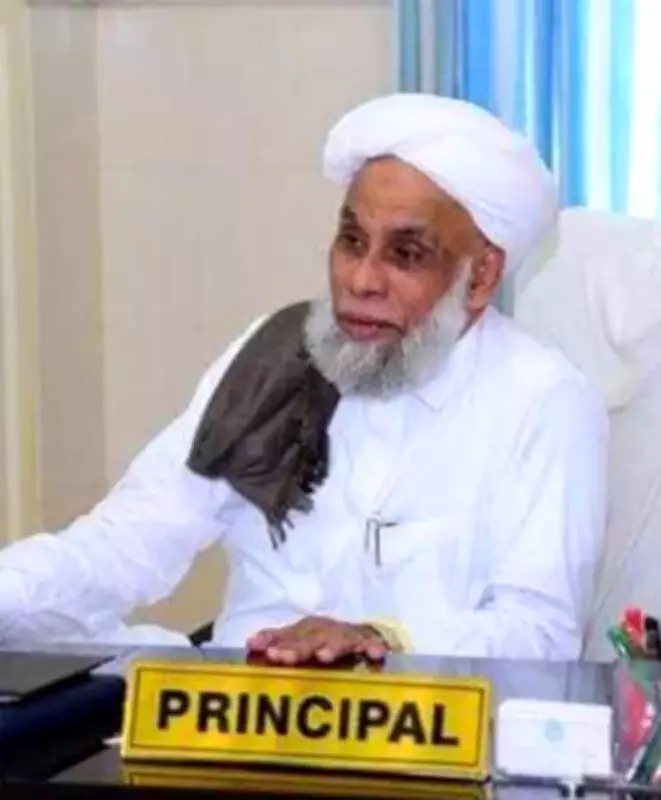
Samastha president Syed Jifri Muthukoya Thangal has firmly stated that decisions regarding candidate selection in each election should be left to the respective party leaderships. His remarks come in the wake of a controversy sparked by Samastha mushavara member Ummer Faizi Mukkam, who criticized the Indian Union Muslim League (IUML) for fielding women candidates in general seats.
Thangal Cautions Against Unnecessary Debates
Thangal emphasized that responsible individuals should avoid making statements that could lead to unnecessary debates. He clarified, "Candidate selection is the prerogative of political parties, and they must evaluate the pros and cons. The perspectives of religion and political parties may differ on such matters." This statement underscores the importance of respecting party autonomy while acknowledging potential differences in viewpoints.
Controversy Over Women Candidates in General Seats
The controversy arose when Faizi argued that Samastha had previously granted permission to IUML to field women in reserved seats, referring to the women's quota in Local Self-Government (LSG) elections. He contended that there was no need to field women candidates in general seats, sparking a heated discussion within the community.

Counterarguments from Samastha Yuvajana Sangham Leader
In response, Samastha Yuvajana Sangham leader Nazar Faizi Koodathayi countered Faizi's view, asserting that current circumstances make it necessary for Muslim women to contest in general seats. He highlighted several compelling factors that must be considered:
- Questions around secularism and the party's image in society.
- The possibility of adverse polarization among women and the general public if they are excluded.
- The relevance of Thangal's statement that IUML can consider women in general seats.
Koodathayi also offered a tacit criticism of Faizi, who has been considered close to the Communist Party of India (Marxist) (CPM). He noted that claiming political neutrality while directing statements, suggestions, and criticism only at IUML reflects political bias, further complicating the discourse.
Broader Implications for Political Strategy
This debate highlights the ongoing tensions between religious guidelines and political pragmatism within Muslim political organizations in India. Thangal's call for restraint and respect for party decisions aims to foster unity and avoid divisive debates that could harm electoral prospects. As parties navigate these sensitive issues, the balance between tradition and modern political demands remains a critical challenge.
The discussion also touches on broader themes of gender representation and secularism in Indian politics, with implications for how minority communities engage with electoral processes. The outcome of this internal debate could influence future candidate selections and party strategies in upcoming elections.