Rudrapur Eid Prayer Tradition Disrupted by Land Dispute, Sparks Silent Protest
In a significant development in Rudrapur, members of the Muslim community have resolved to observe Eid prayers while wearing black bands as a form of silent protest. This decision comes as a direct response to authorities prohibiting congregational prayers at the traditional Eidgah site, which has been at the center of an escalating land dispute.
Municipal Anti-Encroachment Drive Alters Longstanding Tradition
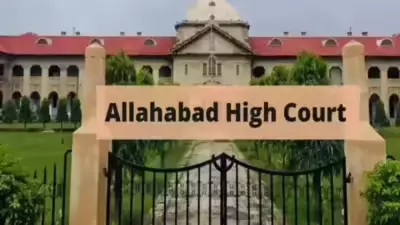
The controversy traces its origins to recent weeks when the Rudrapur Municipal Corporation (RMC) executed an extensive anti-encroachment operation at the Eidgah ground located in the Kheda area. Municipal officials asserted that a substantial portion of the land was government-owned property, justifying their action under legal provisions.
The operation, conducted with substantial police presence, cleared what authorities described as "unauthorised occupation," fundamentally transforming a space that had served as the primary venue for Eid congregations for nearly fifteen years. Following this intervention, authorities have mandated that Eid prayers be distributed across thirteen designated mosques throughout the city rather than maintaining the traditional single congregation.

Community Leaders Express Profound Disappointment
Maulana Zahid Raza Rizvi, a prominent religious leader, voiced strong criticism regarding the administrative decision. "Eid namaz transcends mere ritual; it embodies unity and collective spirit," Rizvi emphasized. "Fragmenting this sacred observance across thirteen separate locations fundamentally disrupts that unifying essence. As an expression of our collective sorrow, we will perform our prayers adorned with black bands."
Local residents have echoed these sentiments with palpable disappointment. Umar Khan from Khera Colony shared, "This Eid will lack its traditional essence. We have generational memories at this Eidgah—coming here with our fathers, and now bringing our children. Being instructed to disperse across the city feels like a profound loss of something sacred."
Sofia Naaz highlighted the spiritual dimension, stating, "Eid fundamentally represents togetherness. When our entire community bows in unison at a single location, it generates an unparalleled spiritual atmosphere. Conducting prayers separately will inevitably create an emotional void within our hearts."
Elderly resident Haji Salim reflected on the historical significance, remarking, "Having offered prayers here for over fifteen years, I never anticipated witnessing a day where protesting becomes necessary to preserve our cherished traditions."
Municipal Authority Defends Administrative Action
RMC Mayor Vikas Sharma maintained that the municipal action was strictly administrative and legally justified. "The encroachment removal was executed in full compliance with established legal frameworks," Sharma clarified. "We have implemented comprehensive arrangements across multiple mosques to facilitate the smooth observance of Eid prayers for all community members."
The silent protest through black bands represents a poignant response to what community members perceive as the erosion of their religious and cultural practices. This development underscores the complex interplay between urban administration, property rights, and the preservation of longstanding community traditions in contemporary India.