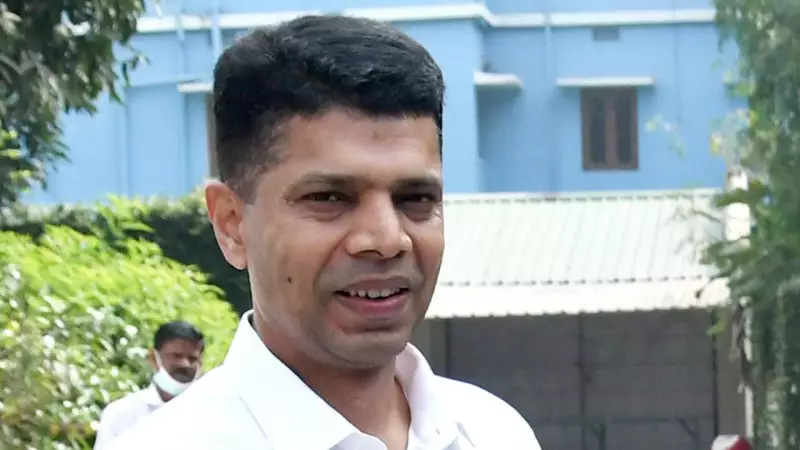
Three Right to Information (RTI) activists in Bhubaneswar, who faced police charges for allegedly spreading misleading information about the security detail of former Chief Minister Naveen Patnaik's close aide, V.K. Pandian, have now obtained fresh official data to counter the case against them.
Fresh RTI Data Backs Activists' Original Claims
The activists, Prakash Das, Srikant Pakal, and Pradip Pradhan, stated that the latest information they received under the RTI Act in November 2024 corroborates the very details they had shared earlier. This earlier disclosure had led the Saheed Nagar police to register a case against them in April 2024.
According to activist Prakash Das, the police accused them of spreading falsehoods despite their information coming from an RTI query. "The reply we received on November 11 this year matched the earlier one. This clearly proves we were falsely implicated, only because Pandian was highly influential," Das asserted.
Details of the Security Cover Revealed
The RTI reply outlines the extensive security arrangements sanctioned for V.K. Pandian by the previous Biju Janata Dal (BJD) government. The provided security included:
- Two Personal Security Officers (PSOs)
- One Havildar
- Four Armed Police Reserve personnel as house guards
- One to four escorts during road travel
- Four women constables
- One section force
The activists had initially released a letter detailing this security cover at a press conference, which prompted immediate police action.
Police Denial and Subsequent Case
At the time of the first disclosure in April 2024, the then Police Commissioner Sanjeeb Panda had dismissed the activists' letter as "forged." He publicly denied that the commissionerate police had ever provided such information. Following this official denial, a formal case was filed against the three RTI activists for circulating what was termed as "fake and misleading" information.
The activists' latest move to procure and present a new RTI response, which aligns with their original claims, directly challenges the police's initial stance. They argue that the fresh data vindicates their position and exposes the alleged misuse of power to protect a high-profile individual. The development raises significant questions about transparency and the treatment of whistleblowers seeking information in the public domain.