Major Dispute Unfolds Over Gurdwara Land Sale in Chandigarh
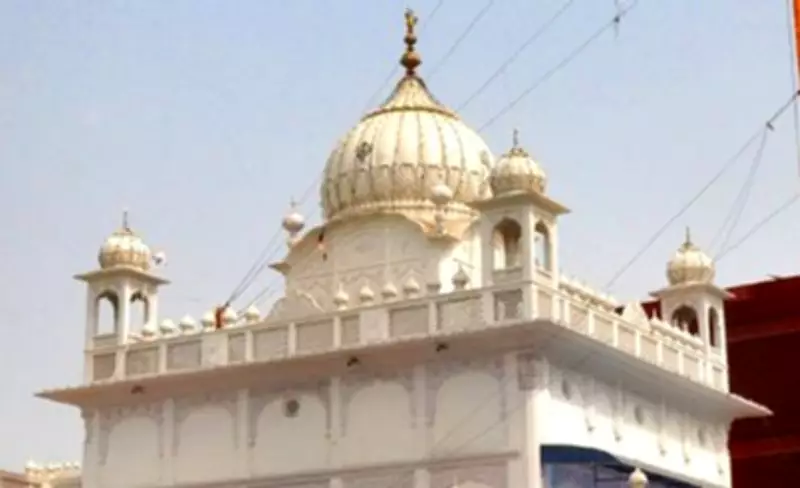
A significant controversy has erupted in Chandigarh, centering on the contentious sale of land belonging to a Gurdwara, a Sikh place of worship. This development has ignited widespread protests and drawn intense legal scrutiny, raising critical questions about the transaction's legality and its profound implications for the local Sikh community.
Details of the Land Sale and Immediate Backlash
The core of the dispute involves the reported sale of a parcel of Gurdwara land, a move that has been met with immediate and fierce opposition from various community members and religious groups. According to sources, the sale was executed without adequate consultation or transparency, leading to allegations of mismanagement and potential violations of trust. Protesters have taken to the streets in Chandigarh, demanding a thorough investigation into the matter and calling for the transaction to be nullified. The situation has escalated quickly, with tensions running high as stakeholders debate the ethical and legal dimensions of the sale.
Legal and Community Implications Under Scrutiny
Legal experts are now examining the intricacies of the land sale, focusing on whether proper procedures were followed under relevant property and religious laws. The controversy highlights broader issues of governance within religious institutions and the protection of community assets. For the Sikh community in Chandigarh, this incident is not just about a piece of land; it touches on deeper concerns about autonomy, representation, and the safeguarding of cultural heritage. Community leaders have emphasized the need for greater accountability and dialogue to prevent such disputes in the future, stressing that religious properties hold significant sentimental and historical value.

Ongoing Developments and Future Outlook
As the row continues to unfold, authorities are under pressure to intervene and mediate a resolution. There are calls for an independent audit of the sale process and for all parties involved to engage in constructive discussions. The outcome of this controversy could set a precedent for how similar cases are handled in India, particularly regarding the management of religious lands. For now, Chandigarh remains at the center of this heated debate, with the community awaiting clarity and justice in a matter that has stirred deep emotions and raised important questions about property rights and religious stewardship.