Rohini Acharya Accuses Infiltrators of Targeting Lalu Prasad Yadav's Political Legacy in Bihar
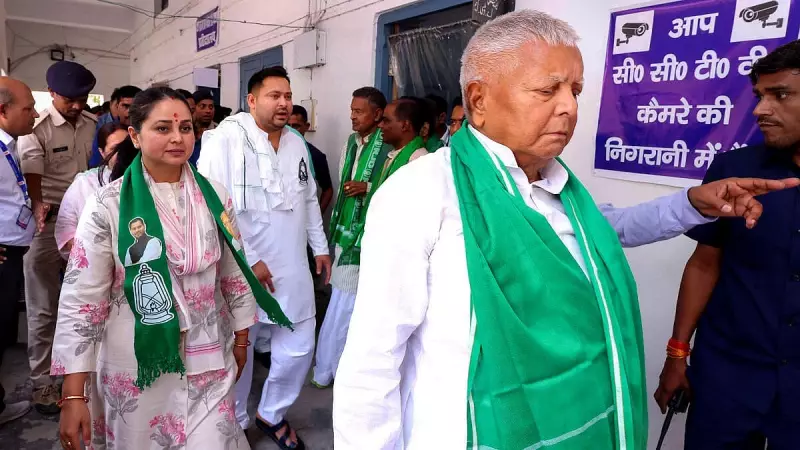
In a significant political statement ahead of a crucial Rashtriya Janata Dal (RJD) meeting, Rohini Acharya, the daughter of party chief Lalu Prasad Yadav, has made serious allegations against what she terms as "infiltrators." Acharya claims that the sole objective of these infiltrators is to systematically destroy the political legacy and influence of her father, Lalu Prasad Yadav, in the state of Bihar. This assertion comes at a time when the RJD is gearing up for strategic discussions, potentially impacting the party's future direction and electoral strategies.
Context and Timing of the Allegations
The timing of Rohini Acharya's comments is particularly noteworthy, as they were made just before an important RJD gathering. This meeting is expected to address key organizational issues and political challenges facing the party in Bihar. Acharya's remarks suggest internal tensions or external threats that could undermine the RJD's cohesion and its foundational principles, which have long been associated with Lalu Prasad Yadav's leadership. By highlighting the threat from infiltrators, she may be aiming to rally party loyalists and reinforce the importance of preserving Yadav's ideological and political contributions.
Implications for Bihar's Political Landscape
Bihar's political scene has been dynamic, with parties like the RJD playing a pivotal role in state politics. Lalu Prasad Yadav, a veteran leader, has been a central figure in shaping the RJD's identity, often championing social justice and empowerment for marginalized communities. Rohini Acharya's allegations imply that there are forces working to erode this legacy, which could have broader implications for the party's stability and its ability to contest elections effectively. If true, such infiltrators might seek to weaken the RJD from within, potentially altering the balance of power in Bihar's competitive political environment.

Reactions and Potential Fallout
While specific reactions from other political entities or within the RJD have not been detailed in the original report, Acharya's claims are likely to spark debates and discussions. They may lead to increased scrutiny of party members and activities, as the RJD seeks to safeguard its core values and leadership. The allegations also raise questions about the nature of these infiltrators—whether they are political rivals, internal dissidents, or other actors with vested interests. As the RJD meeting unfolds, it will be crucial to monitor how the party addresses these concerns and whether any concrete actions are taken to counter the perceived threats.
Broader Significance in Indian Politics
Rohini Acharya's statements resonate beyond Bihar, reflecting broader themes in Indian politics where legacy and ideological purity are often contested. Accusations of infiltration or sabotage are not uncommon in political discourse, especially during times of organizational restructuring or ahead of elections. By framing the issue around her father's legacy, Acharya emphasizes the personal and historical stakes involved, which could galvanize support among the RJD's base. This development underscores the ongoing challenges political parties face in maintaining unity and authenticity in a rapidly evolving landscape.