Ranchi Residents in Wards 30 and 31 Battle Civic Woes: Street Lights, Drainage Failures Spark Safety Alarms
In Ranchi, the residents of municipal wards 30 and 31 are confronting a cascade of civic infrastructure failures that have severely impacted their daily lives, raising urgent concerns about public safety, health hazards, and administrative neglect. The persistent issues of non-functional street lighting, public nuisance activities, and a broken drainage system have created an environment of distress and vulnerability, particularly for women, children, and the elderly.
Ward 30: Market Area Congestion and Loitering Create Perilous Conditions
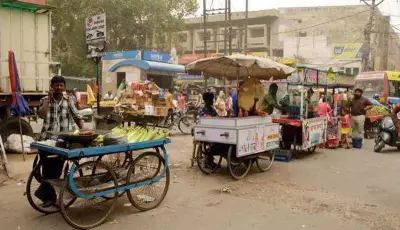
The situation in ward 30, which encompasses areas like New Police Line, Mount Motor Gali, Indrapuri Colony, Indira Nagar, and Krishna Nagar Colony, has become increasingly dire. Residents report that groups congregate near the bustling New Market to Metro Gali stretch, including Alkapuri, from afternoon until late night. This loitering leads to road blockages and creates a hostile atmosphere.
"Groups gather near the market and food stalls from afternoon till late night, blocking the road and creating nuisance. It becomes difficult for women to pass through. The problem keeps returning despite repeated complaints to the police," lamented Rajni Devi, a resident of ward 30, highlighting the recurring nature of the issue.

Sunita Devi, an aspiring candidate for the ward 30 councillor position, emphasized the historical neglect. "I received complaints about loitering and inappropriate remarks during my earlier stint as the councillor. The lack of regular monitoring has allowed the problem to persist, affecting daily life and safety," she stated, pointing to systemic failures in civic oversight.
Ward 31: Drainage Collapse and Dim Lighting Fuel Health and Safety Crises
Meanwhile, in ward 31, which covers Krishna Nagar, Indrapuri, Sukhdeo Nagar, and Devi Mandir Road, residents are grappling with a dual crisis of poor drainage and inadequate street lighting. The drainage system's breakdown results in frequent waterlogging and overflowing sewage, creating unsanitary conditions.
Manoj Midha, a resident of Indrapuri, described the alarming situation: "The drains are choked and damaged. Dirty water stagnates near our homes and there is a constant foul smell. Regular cleaning and bleaching are rarely carried out. The situation could lead to spread of diseases, especially during monsoon." His words underscore the imminent health risks as the monsoon season approaches.
Compounding the drainage issue is the problem of non-functional or dim street lights. Ashok Yadav, an aspiring candidate for ward 31 councillor, voiced the community's fear: "Women, elderly, and children fear to go out after sunset as non-existent streetlights encourages anti-social activities. Repairs are delayed despite repeated complaints made to the authorities concerned." This lack of illumination has turned evenings into periods of anxiety, fostering an environment where safety is compromised.
Broader Implications and Resident Demands
The collective grievances from both wards paint a picture of administrative inertia. Key concerns include:
- Public Safety: The combination of poor lighting and unchecked loitering has made streets unsafe, particularly for vulnerable groups.
- Health Hazards: The dysfunctional drainage system poses significant risks of waterborne diseases, with monsoon exacerbating the threat.
- Infrastructure Neglect: Repeated complaints to police and civic authorities have yielded little action, indicating a breakdown in grievance redressal mechanisms.
- Quality of Life: Daily activities are hindered by congestion, foul odors, and fear, diminishing residents' overall well-being.
As the civic body faces scrutiny, residents are calling for immediate interventions: regular maintenance of street lights, thorough cleaning and repair of drainage networks, enhanced police patrolling in market areas, and timely responses to complaints. The upcoming monsoon season adds urgency to these demands, with the potential for escalated health crises if drainage issues remain unaddressed.

The plight of wards 30 and 31 in Ranchi serves as a microcosm of urban civic challenges, where infrastructure decay directly impacts citizen safety and health, highlighting the critical need for proactive governance and community engagement.