Rajoana Appeals to Akal Takht to Withdraw Mercy Plea After Three Decades
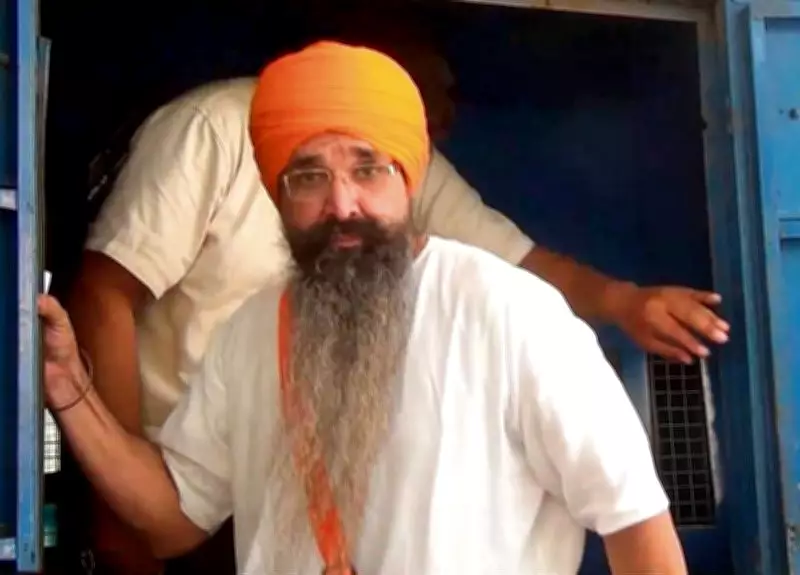
In a significant development, Balwant Singh Rajoana, a key convict in the 1995 assassination case of former Punjab Chief Minister Beant Singh, has formally written to the Akal Takht, the highest temporal seat of Sikhism. Rajoana has urged the Akal Takht to withdraw the mercy plea filed on his behalf, citing a lack of progress over the past 30 years.
Decades of Inaction Prompt Rajoana's Request
Rajoana, who is currently on death row, expressed frustration in his letter, stating that it has been three decades since the mercy plea was submitted, and no substantial action has been taken by authorities. He emphasized that the prolonged delay has left him and his supporters in a state of uncertainty, with little hope for resolution.
The letter highlights Rajoana's belief that the mercy plea process has been neglected, and he now seeks clarity and closure through its withdrawal. This move is seen as a symbolic gesture to draw attention to his case and the broader issues surrounding justice and political accountability in Punjab.

Background of the Beant Singh Assassination Case
The assassination of Beant Singh in 1995 was a pivotal event in Punjab's political history, leading to widespread investigations and convictions. Rajoana was convicted for his role in the plot and has been awaiting execution, with his mercy plea pending since the early 1990s.
Over the years, Rajoana's case has garnered significant attention from various political and religious groups, with some advocating for clemency due to his claimed motivations, while others demand strict adherence to legal processes. The Akal Takht, as a central authority in Sikh affairs, has previously intervened in such matters, making Rajoana's appeal a notable step.
Implications for Punjab's Political and Religious Landscape
Rajoana's request to withdraw the mercy plea could have far-reaching implications. It may reignite debates on justice, human rights, and the role of religious institutions in legal matters. Additionally, this development might influence public opinion and political discourse in Punjab, especially ahead of upcoming elections or policy discussions.
Experts suggest that the Akal Takht's response will be closely watched, as it could set a precedent for how similar cases are handled in the future. The situation also underscores the ongoing tensions between state authorities and religious bodies in addressing sensitive historical events.
Next Steps and Potential Outcomes
As of now, the Akal Takht has not issued an official response to Rajoana's letter. However, sources indicate that the matter is likely to be reviewed by senior religious leaders in the coming weeks. Possible outcomes include:
- Formal withdrawal of the mercy plea, as requested by Rajoana.
- Further deliberations to seek alternative resolutions or clemency options.
- Increased public and media scrutiny on the case, potentially leading to renewed legal or political actions.
In conclusion, Balwant Singh Rajoana's appeal to the Akal Takht marks a critical juncture in a long-standing legal and political saga. With 30 years of inaction fueling his decision, this move highlights the complexities of justice, mercy, and institutional roles in Punjab's evolving narrative.