A fresh proposal to set minimum educational qualifications for candidates contesting elections for sarpanch and municipal councillor posts in Rajasthan has ignited a significant political and social debate. The move comes ahead of the upcoming local body elections in the state.
The Minister's Proposal and Its Potential Impact
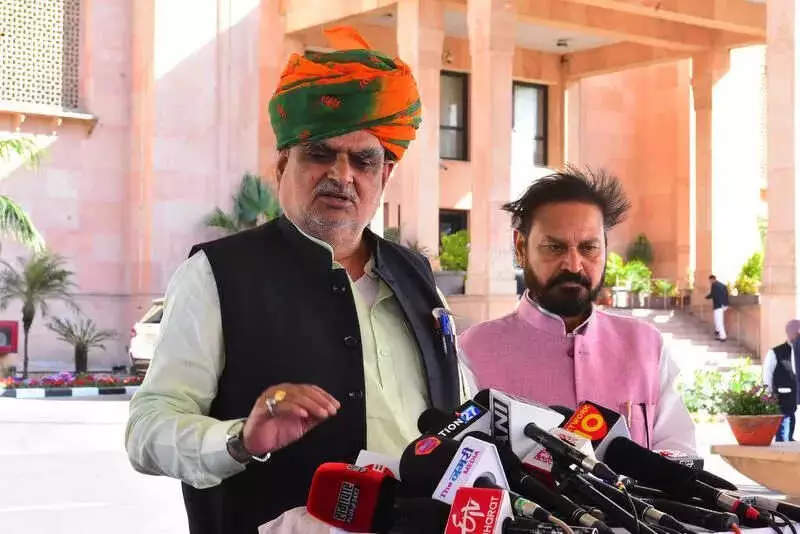
Urban Development and Housing Minister Jhabar Singh Kharra has sent a formal recommendation to Chief Minister Bhajan Lal Sharma. The proposal suggests that individuals aspiring to become a sarpanch — the elected head of a village panchayat — should have passed at least Class 10. For municipal councillors, the suggested minimum qualification is either Class 10 or Class 12.
Minister Kharra, speaking on Thursday, revealed the potential scale of this change. He estimated that if the proposal is approved and implemented, it could lead to the disqualification of nearly 20% to 30% of candidates across Rajasthan from contesting these grassroots elections. "The proposal has been sent to the CM. We will wait for his approval before taking any further steps," Kharra stated.

The minister defended the recommendation by arguing that bringing educated representatives into the fold of local governance would strengthen administrative efficiency and improve the quality of public representation. "If qualified people come in at the grassroots level, it will help not only cities but also the overall development of the state," he emphasized.
Mixed Reactions from Political Circles and Former Representatives
The proposal has drawn a spectrum of reactions from political figures and former office-holders, highlighting a clear divide in opinion.
Supporters of the move argue that education brings necessary professionalism. Former councillor Lalita Jaiswal believes educated councillors would operate with greater efficiency. Mohammad Zakaria, another ex-councillor, stated that educated representatives can better comprehend official orders, understand public rights, and raise civic issues more effectively. Former councillor Manoj Mudgal also backed the proposal, stressing that knowledge of laws and administrative procedures is essential for any elected representative.
However, critics have raised strong objections. Former councillor Ashish Parewa criticized the proposal as fundamentally unfair to those who have served their communities diligently for years. "Many people who worked tirelessly for their communities may be kept out of the electoral process simply because they do not meet academic requirements. This is unjust," he argued.
Some have questioned the selective application of the criteria. Former councillor Dashrath Singh Shekhawat, while welcoming the idea in principle, pointed out a perceived inconsistency. "If educational criteria are being introduced for sarpanch and councillors, then MLAs should at least be graduates," he remarked.
A Policy with a Past: Rajasthan's History with Educational Criteria
This is not the first time Rajasthan has ventured down this path. The state previously introduced educational qualifications for local body elections in 2015 under the Vasundhara Raje-led BJP government. That law mandated a minimum educational qualification for candidates contesting panchayat polls.
However, this move was rolled back in 2018 by the subsequent Congress government led by then Chief Minister Ashok Gehlot. The Congress government at the time contended that every citizen holds a constitutional right to participate in the democratic process. They asserted that the 2015 law had unjustly prevented a significant segment of the rural population, particularly women, from contesting elections and engaging in local self-governance.
The revival of this proposal by the current BJP government sets the stage for a renewed political and legal discourse on the balance between ensuring qualified leadership and upholding the democratic rights of all citizens, regardless of formal education.