The proposed Electricity (Amendment) Bill, 2025, has ignited a critical debate in Punjab, framing a fundamental test for the state's power sector reforms. The central question is whether the new framework will bind private players to public duties with the same force it uses to protect their financial returns.
The Core Conflict: Profit Motive vs. Public Duty
Punjab is currently engaged in consultations on the draft bill, which aims to open electricity distribution to competition. The stated goal is familiar: to enhance service quality, reduce losses, and stabilise the finances of stressed utilities like the Punjab State Power Corporation Limited (PSPCL). However, Punjab's apprehension is equally well-known. There is a palpable fear that competition could lead to a scenario where predictable profits are privatised, while the hardest social obligations—such as supplying rural areas, managing subsidies, and maintaining the network—are socialised, remaining on the public utility's books.
The resistance from power engineers, employees' unions, and farmer groups is not merely ideological. It stems from practical concerns. Farmers view reliable power as non-negotiable for crop security and income stability. Engineers worry about the integrity of the physical grid, which requires real-time maintenance and upgrades, not just efficient billing. The state's challenge is to engage in this consultation as a hard-nosed negotiation over enforceable duties, cash flow discipline, and clear accountability, rather than a abstract debate on privatisation.

Punjab's Specific Challenges: Subsidies, Losses, and Network Costs
Punjab's power sector distress is not solely about providing free electricity. A core weakness lies in weak measurement and energy auditing, especially where consumption is estimated rather than metered. This opacity blurs responsibility for losses and theft. Any reform that changes licences without hardening measurement and loss accountability at the feeder level will merely rearrange blame instead of fixing the core leak.
The most explosive issue remains the subsidy regime. For the financial year 2024–25, Punjab's power subsidy is estimated at a staggering Rs 21,900 crore. This includes roughly Rs 10,000 crore for agriculture and Rs 8,800 crore for vulnerable domestic consumers. In a multi-licensee environment, subsidy settlement transforms from a budget line into a complex payment system. Delays, as seen historically, force the utility to borrow, turning interest costs into a hidden tax. The state must engineer a fail-safe mechanism, such as escrowed payments or direct benefit transfer (DBT) with automatic consequences for delays, to prevent cash stress from triggering feeder-level disruptions.
The Critical 'Poles-and-Wires' Question
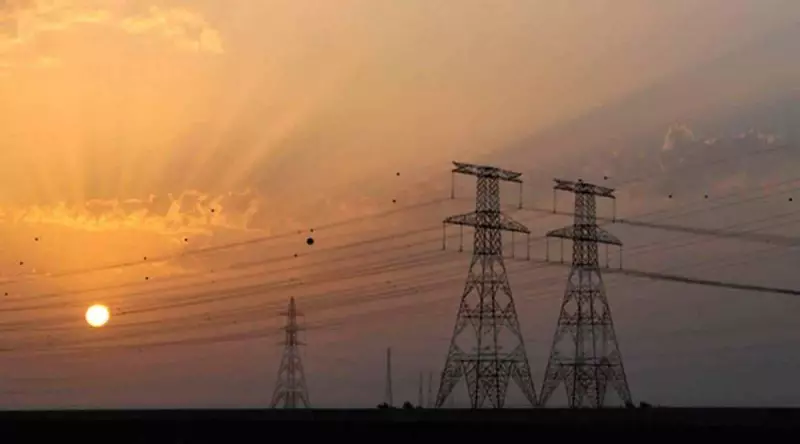
Electricity is a network business, not a simple commodity trade. The decisive question is not just who sells the power, but who maintains, upgrades, and restores the physical wires and transformers. If private suppliers use the existing public network while the legacy utility remains the default maintainer and capital investor, Punjab risks inheriting an ageing grid with a shrinking revenue base. The reform must unequivocally settle who pays for routine maintenance, funds upgrades, replaces failed equipment, and faces penalties for service breakdowns.
Learning from Past Contracts and Charting a Punjab-First Path
Punjab has already learned a hard lesson from its long-term Power Purchase Agreements (PPAs) with private thermal plants, where fixed charges became a political flashpoint. The takeaway is structural: watertight contracts outlive political slogans. Every new distribution instrument must be drafted as if it will be tested in court, with responsibilities clearly tied to revenues.

Punjab does not have to choose between blind resistance and blind endorsement. It can insist on one fairness rule: responsibilities must follow revenues. A player earning from consumers must share network obligations and be accountable for reliability and consumer protection. The state's goal should be to draft and enforce reforms so rigorously that the charge of privatising profits finds no foothold in the fine print, ensuring a balanced outcome that serves the public interest first.