BJP Leaders Advocate for Punjab Rice Millers at National Level
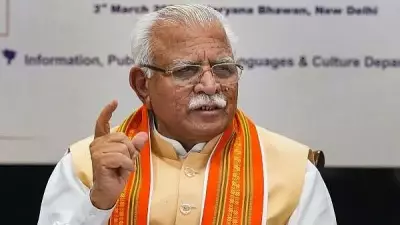
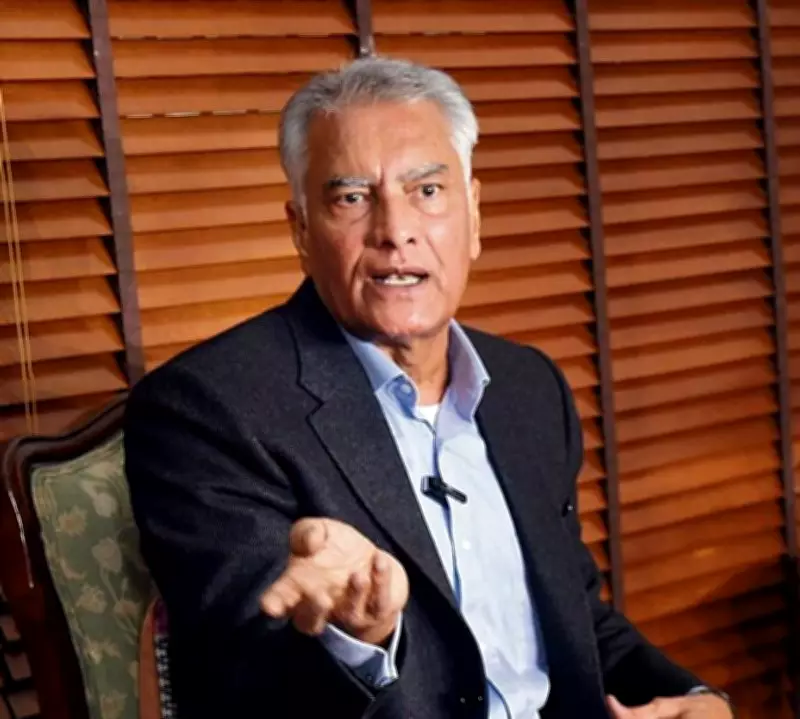
In a significant move to address the challenges faced by Punjab's rice milling industry, prominent Bharatiya Janata Party (BJP) figures Sunil Jakhar and Tarun Chugh have formally escalated the sector's grievances to the central government. This initiative underscores a concerted effort to secure timely interventions and policy adjustments that could alleviate the operational and financial burdens on millers across the state.
Key Concerns Highlighted in Discussions
The leaders presented a comprehensive list of issues during their engagement with central authorities. Primary among these are delays in procurement payments, which have strained the cash flow of numerous milling units. Additionally, concerns were raised about the quality parameters and grading systems imposed by government agencies, which millers argue often lead to unfair rejections and financial losses.
Infrastructure and logistical challenges also featured prominently in the discussions. Millers highlighted problems related to storage facilities, transportation bottlenecks, and the need for modernization of aging milling equipment. These factors collectively hinder efficiency and competitiveness in both domestic and international markets.

Assurances of Prompt Redressal
Sunil Jakhar and Tarun Chugh have assured the rice milling community that the central government is committed to addressing their concerns with urgency. They emphasized that the issues are being treated as a priority, given the critical role of the rice industry in Punjab's economy and its contribution to national food security.
The leaders have pledged to facilitate continuous dialogue between millers and relevant ministries, ensuring that solutions are tailored to the specific needs of the sector. This includes potential reviews of procurement policies, enhancements in payment mechanisms, and support for infrastructure upgrades.
Impact on Punjab's Agricultural Landscape
The rice milling sector is a cornerstone of Punjab's agricultural framework, providing employment to thousands and supporting the livelihoods of countless farmers. Resolving these issues is seen as vital for sustaining the state's agrarian economy and maintaining its status as a key contributor to India's rice production.
Stakeholders in the industry have welcomed the intervention by Jakhar and Chugh, expressing hope that it will lead to tangible improvements. The outcome of these efforts is anticipated to influence not only the milling operations but also the broader supply chain, from paddy cultivation to market distribution.