Punjab Opposition Leader Condemns AAP Government's Amendment to Municipal Property Transfer Law
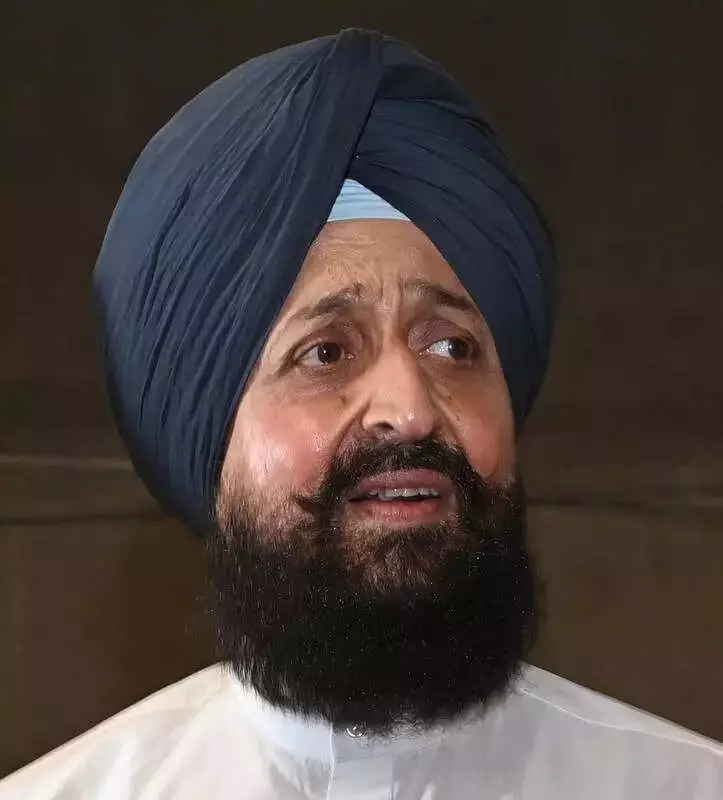
In a sharp critique from Chandigarh, Partap Singh Bajwa, the leader of opposition in the Punjab assembly, has denounced a recent amendment to the Punjab Management and Transfer of Municipal Properties Act, 1920. On Friday, Bajwa labeled the change as a clear indication of the Aam Aadmi Party-led Punjab government's "nefarious intentions", accusing the Bhagwant Mann administration of methodically enabling the transfer of prime municipal properties to its supporters and chosen private entities.
Existing Transparency Measures Under Scrutiny
Bajwa emphasized that the current provisions of Section 4 of the Act were designed to ensure transparency and fairness in property transfers. According to the existing law:
- Commercial properties are transferred through open e-auctions.
- Residential properties are allocated via a draw of lots.
- For other property categories, municipalities must strictly follow government directives outlined in the Act.
He argued that these measures provided a robust framework to prevent misuse and maintain public trust in municipal governance.

Allegations of Diluted Safeguards and Unchecked Authority
However, Bajwa contends that the AAP government has now weakened these safeguards. During a recent cabinet meeting, Punjab Finance Minister Harpal Singh Cheema reportedly disclosed that municipal properties can be transferred to other departments or private individuals under the banner of 'public welfare'. This transfer would be based on procedures arbitrarily determined by a committee led by the deputy commissioner.
The Congress leader, who represents Qadian, alleged that this committee would wield unchecked authority to set all terms and conditions, effectively bypassing open auctions and public oversight. He claimed the amendment is deliberately crafted to facilitate the transfer of valuable urban municipal assets to favored builders and private entities, masquerading as initiatives for public benefit.
Warnings of Financial and Governance Implications
Bajwa issued a stern warning that this move could severely compromise transparency, accountability, and the financial health of municipal bodies. By sidelining competitive processes, he fears it might lead to significant revenue losses and erode public confidence in local governance. The opposition's outcry highlights growing concerns over potential corruption and mismanagement in Punjab's urban development policies.