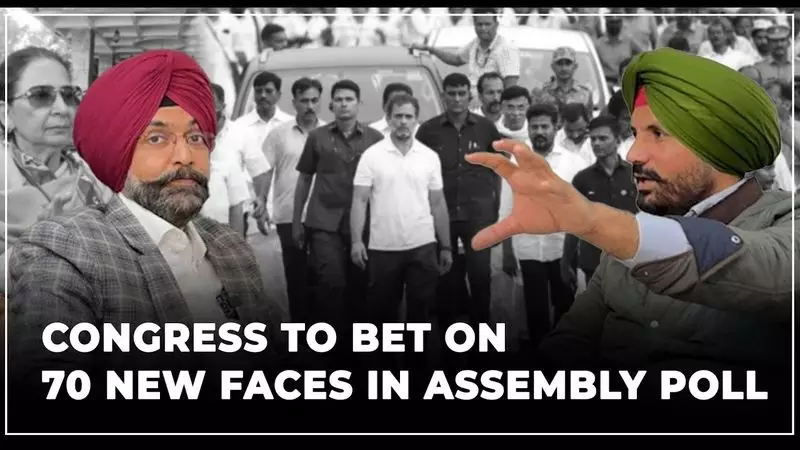
A significant internal conflict has erupted within the Punjab Congress, highlighting a deep-seated voter frustration with the party's reliance on familiar, long-standing candidates. The public disagreement between two of its top state leaders, Amrinder Singh Raja Warring and Partap Singh Bajwa, centers on the issue of repeating candidates and its impact on the party's electoral fortunes.
The Core of the Controversy: Voter Fatigue with Old Guard
The dispute became public when PCC Chief Amrinder Singh Raja Warring made a statement reflecting the sentiments he claimed to hear from the public. He stated that people in Punjab are expressing weariness with seeing the same Congress faces contesting elections again and again. This comment, seen as a critique of the party's old guard, did not sit well with senior leader and Rajya Sabha MP, Partap Singh Bajwa.
Bajwa swiftly countered Warring's assertion, challenging the PCC chief to name the specific leaders the public was supposedly tired of. He defended the contributions of veteran leaders, suggesting that experience and a proven track record should not be dismissed lightly. This exchange, occurring in the media, has laid bare the strategic rift within the party's Punjab unit regarding candidate selection and renewal.

A Clash of Perspectives: Experience vs. Freshness
The heart of the matter lies in two opposing views on political strategy. Raja Warring's position appears to align with a growing perception that the Congress needs to inject fresh blood and present new faces to reconnect with an electorate, particularly the youth, that may view the old guard as out of touch. This is often seen as a necessary step to revive the party's prospects after recent electoral setbacks in the state.
On the other side, leaders like Partap Singh Bajwa emphasize the value of established leaders who possess deep grassroots connections, political experience, and name recognition. They argue that arbitrarily sidelining such figures could destabilize the party's organizational structure and alienate loyal voter bases. The tension underscores a classic dilemma faced by political parties everywhere: balancing the reliability of experienced incumbents with the appeal of new candidates.
Implications for the Punjab Congress
This public spat has several immediate consequences. Firstly, it projects an image of disunity and internal discord at a time when the party needs to present a cohesive front against its political rivals. Secondly, it forces a public conversation about candidate selection that could influence the expectations of the party's workers and supporters on the ground.
Most importantly, the controversy validates a broader sentiment of anti-incumbency not just against governments, but against political dynasties and perennial candidates. If the Congress party fails to manage this internal conflict and address the underlying issue of perceived stagnation, it risks further erosion of its support base in Punjab. The resolution of this debate, whether it leans towards renewal or reliance on the old guard, will significantly shape the party's strategy and candidate list for the upcoming electoral battles in the state.
The outcome of this tussle will be closely watched, as it may determine whether the Punjab Congress can reinvent itself or remains trapped in patterns that have led to its current challenges.