The Aam Aadmi Party government in Punjab is gearing up for a major state-level event. They plan to hold a Maghi conference in Muktsar on January 14. This move is now causing significant ripple effects across the state's public transportation network.
Massive Bus Mobilization for Political Event
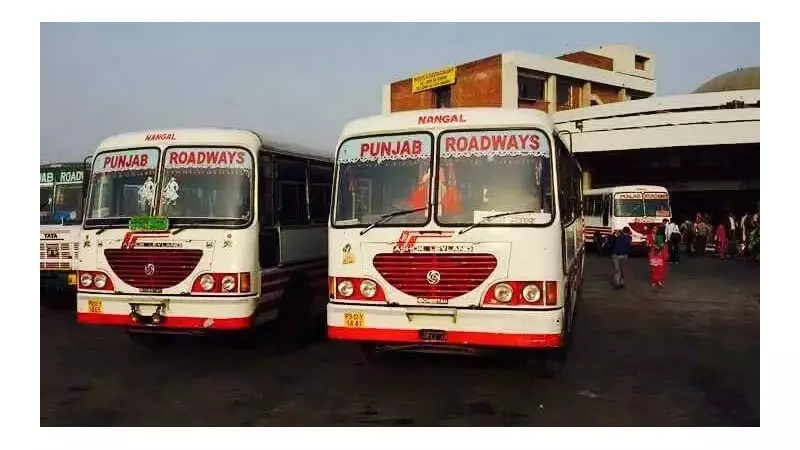
Authorities have issued directives to district depots. Punjab Roadways and the Pepsu Road Transport Corporation must send public buses to ferry people to the conference. The scale of this mobilization is substantial.
Punjab Roadways has formally requested nearly 900 buses for the task. The exact number from PRTC remains officially undisclosed. However, reliable sources within the transport departments indicate the figure hovers around 500 buses. This brings the total estimated diversion to well over 1,400 state-run vehicles.

Commuters Bear the Brunt of Disruption
The withdrawal of such a large fleet from regular service will have immediate consequences. Regular bus schedules across Punjab face severe disruption on January 14. Passengers who depend on these services will find their daily commutes upended.
They will be forced to seek alternatives, primarily relying on private transport operators. This shift comes with a direct financial impact. Notably, women who benefit from the state's free travel scheme in government buses will lose this privilege for the day. They, too, must turn to paid private options.
Social activists Gurwinder Singh and Ajit Singh highlighted this specific hardship. They pointed out how the policy decision inadvertently removes a vital benefit for women on that day.
Political Scrutiny and Operational Details
The event has not escaped political attention. Punjab Congress in-charge Bhupesh Baghel raised pointed questions on Monday. The former minister demanded clarity on the funding for this large-scale transport arrangement.
"The state government is hiring buses for the Maghi Mela conference," Baghel stated. "It should be probed who pays for it, the party or the state government." His statement underscores the blurry lines between state resources and party events.
Operational memos reveal meticulous planning behind the scenes. Officials received clear instructions to manage the diverted fleet:
- Depute regular, contract, and outsourced drivers and conductors.
- Appoint inspectors and sub-inspectors as in-charges for the buses.
- Send all related bills to a designated nodal officer.
- Ensure prompt payment for this "official engagement."
While there is no formal restriction on hiring buses on payment, the sheer volume of this requisition creates a de facto shortage. The move prioritizes political logistics over public convenience, setting a precedent that affects thousands of ordinary Punjabis.