Despite Speaker's Assurance, Khalsa Stands Firm on Tower-Top Protest for Stricter Sacrilege Laws
In a dramatic standoff, activist Gurjeet Singh Khalsa has refused to end his protest atop a 400-foot-high BSNL tower in Samana, Punjab, despite assurances from state government emissaries led by Punjab Assembly Speaker Kultar Singh Sandhwan. Khalsa, who has been demanding stricter punishment in sacrilege cases, declared he would "not move an inch" until his sole demand is implemented, addressing a gathering and officials via phone from his precarious perch.
Background of the Protest and Khalsa's Resolve
Gurjeet Singh Khalsa, a 43-year-old dairy owner and farmer from Kheri Nagaiyan village in Patiala, has been protesting atop the tower since October 12, 2024. His agitation stems from deep religious sentiments hurt by sacrilege incidents in the state. In 2024, he made the pivotal decision to entrust his business and family to his brother, embarking on a solitary struggle for stringent anti-sacrilege legislation. His son Ashmeet Singh passed his matriculation examination last year, adding a personal dimension to his prolonged absence.
From his makeshift tarpaulin shelter on the tower, Khalsa relies on two caretakers who deliver food and water once daily. The lack of physical activity has led to fluctuating blood pressure and sugar levels, yet he remains undeterred. "I have not moved an inch from my vow ever since I started my protest atop the tower. I will only come down when the law is implemented," he asserted, emphasizing that mere promises are insufficient.

Government Response and Legislative Developments
The state government recently announced a special Assembly session to discuss a stricter anti-sacrilege law, following Khalsa's persistent demands. In 2025, Chief Minister Bhagwant Mann introduced the Punjab Prevention of Offences against Holy Scripture(s) Bill, 2025, which proposes punishments ranging from 10 years to life imprisonment for acts of sacrilege. The bill mandates that only police officers of the DSP rank and above investigate such cases. After debate, it was referred to a select committee for stakeholder discussions, but the committee has yet to submit its report.
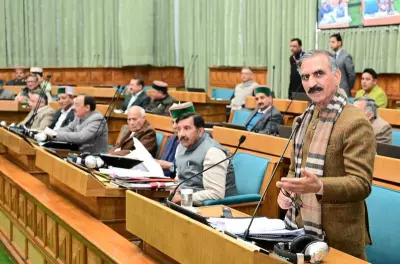
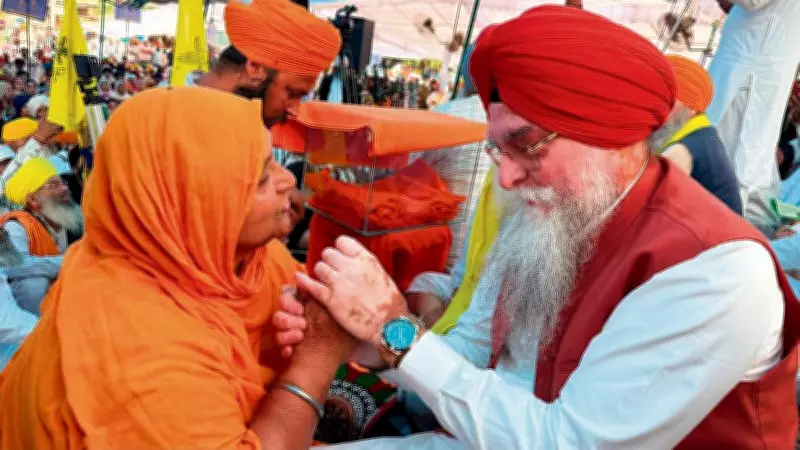
On Saturday, Speaker Kultar Singh Sandhwan, accompanied by a delegation of MLAs, met with a six-member committee of the Samana Tower Morcha. In front of a large crowd at Baba Banda Singh Bahadur Chowk, Sandhwan pledged to "reach Samana Morcha on April 14 with the draft of the law passed by the government," promising to personally hand it over to Khalsa. However, Khalsa responded that while he welcomes the government's attention, he will not end his protest until the law is fully implemented.
Community Support and Ongoing Struggle
Khalsa's protest has garnered significant backing from the Sarb Dharam Beadbi Rokko Morcha, with hundreds of members supporting his cause. This community solidarity underscores the broader public concern over sacrilege cases in Punjab. The activist's unwavering stance highlights the tension between governmental assurances and grassroots demands for tangible action.
As the situation unfolds, all eyes are on the upcoming special Assembly session and the promised draft law. Khalsa's tower-top vigil serves as a powerful symbol of resistance, challenging authorities to move beyond rhetoric to concrete legislative measures. The outcome will not only affect his protest but also shape the future of sacrilege law enforcement in the state.