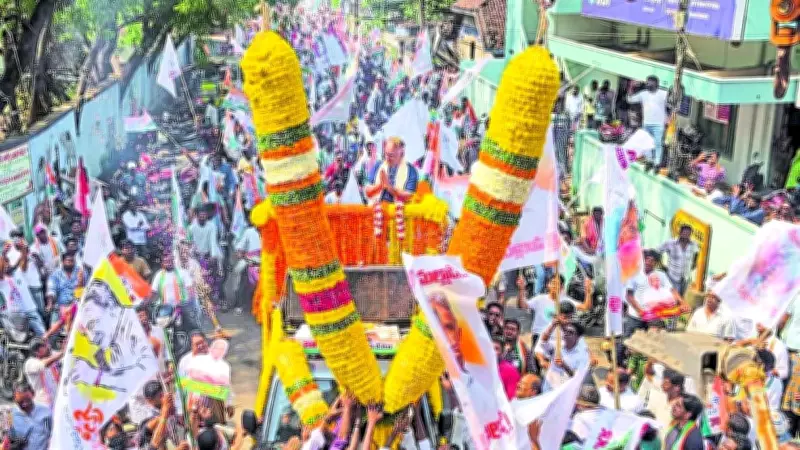
Puducherry's Electoral Dilemma: A Battle Between Development and Discontent
As the union territory of Puducherry prepares for its upcoming assembly elections, a critical question looms large over the political landscape: will voters prioritize the welfare schemes implemented by the ruling party, or will anti-incumbency sentiment drive them toward change? This electoral contest is shaping up to be a nuanced battle, with both sides presenting compelling arguments that could sway the outcome.
Weighing the Impact of Welfare Initiatives
The incumbent government has heavily promoted its array of welfare schemes as a cornerstone of its tenure. These initiatives, ranging from financial assistance programs to healthcare and education subsidies, are designed to directly benefit the populace, particularly marginalized communities. Proponents argue that these measures have improved living standards and fostered social equity, making a strong case for continuity in governance.
Key welfare programs include:

- Direct cash transfers to low-income families
- Subsidized healthcare services and insurance coverage
- Educational scholarships and fee waivers for students
- Infrastructure development projects in rural areas
Supporters contend that these schemes demonstrate the government's commitment to inclusive growth, potentially insulating it from voter backlash. However, critics point to implementation gaps and bureaucratic delays that may dilute their effectiveness on the ground.
The Rising Tide of Anti-Incumbency
Despite the welfare push, anti-incumbency remains a potent force in Puducherry's political dynamics. Voters express frustration over issues such as unemployment, inflation, and perceived governance lapses. The opposition has capitalized on this discontent, framing the election as a referendum on the ruling party's overall performance rather than just its welfare record.
Common grievances fueling anti-incumbency include:
- Slow economic growth and job creation
- Allegations of corruption and administrative inefficiency
- Inadequate public services in certain regions
- Perceived neglect of key sectors like agriculture and tourism
This sentiment is particularly strong among youth and urban voters, who demand more than just welfare—they seek holistic development and accountable leadership. The opposition's campaign focuses on promising a fresh approach to governance, leveraging this anti-establishment mood.
Broader Political and Social Factors
The election is not solely about welfare versus anti-incumbency; it is also influenced by broader factors such as caste dynamics, regional identity, and national political trends. Puducherry's unique status as a union territory adds layers of complexity, with voters balancing local issues with central government policies.
Analysts note that the outcome may hinge on how effectively the ruling party communicates its achievements while addressing voter concerns. Conversely, the opposition must present a credible alternative vision to capitalize on anti-incumbency. The campaign trail has seen intense debates on these themes, with both sides mobilizing resources to sway undecided voters.
As polling day approaches, the electorate's decision will reflect a careful calculus of past performance versus future promises. Whether welfare schemes can outweigh anti-incumbency—or vice versa—will determine Puducherry's political direction for the coming years, making this a closely watched contest in India's democratic landscape.