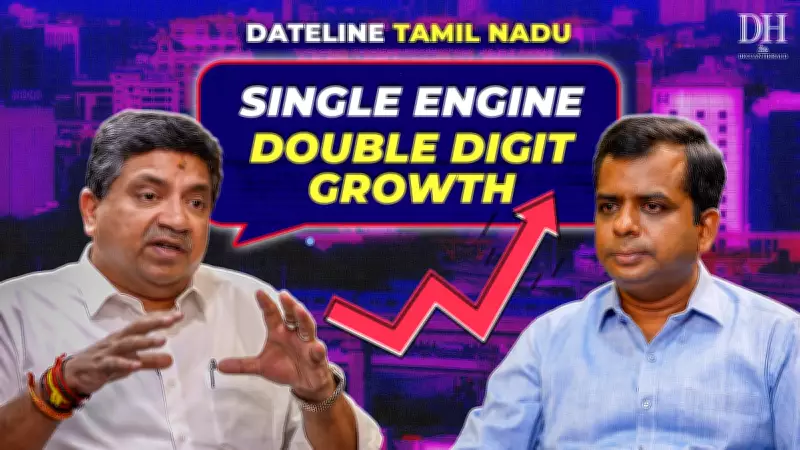
PTR Defends DMK's Schemes as Targeted Welfare, Not Freebies
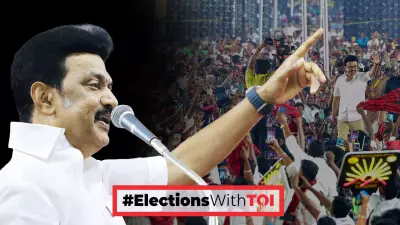
Tamil Nadu Finance Minister PTR Palanivel Thiagarajan has strongly defended the Dravida Munnetra Kazhagam (DMK) government's social welfare schemes, arguing that they represent targeted welfare initiatives rather than mere freebies. This statement comes amid ongoing political debates over the nature of government assistance programs in India.
Distinguishing Welfare from Freebies
In his remarks, PTR emphasized that the DMK's schemes are carefully designed to address specific needs of vulnerable populations, such as providing financial aid to women, students, and farmers. He contrasted this with what he termed as "freebies," which he described as indiscriminate handouts without clear objectives or long-term benefits. According to PTR, targeted welfare aims to empower citizens and promote social equity, whereas freebies can lead to fiscal irresponsibility and dependency.
Political Context and Criticism
The debate over freebies versus welfare has intensified in Tamil Nadu and across India, with opposition parties often criticizing ruling governments for populist measures. PTR's defense highlights the DMK's stance that its policies are rooted in sustainable development and social justice. He pointed to schemes like the Kalaignar Women's Rights Scheme and student scholarship programs as examples of targeted interventions that have measurable impacts on poverty reduction and education access.

Economic Implications and Governance
PTR also addressed concerns about the fiscal impact of such schemes, asserting that the DMK government maintains a balanced approach to budgeting. He argued that targeted welfare, when implemented efficiently, can stimulate economic growth by increasing purchasing power and improving human capital. This perspective challenges the notion that all government assistance is wasteful, positioning the DMK's initiatives as strategic investments in the state's future.
Overall, PTR's statements underscore a broader political narrative about the role of government in social welfare, with the DMK advocating for policies that prioritize long-term empowerment over short-term gains.