

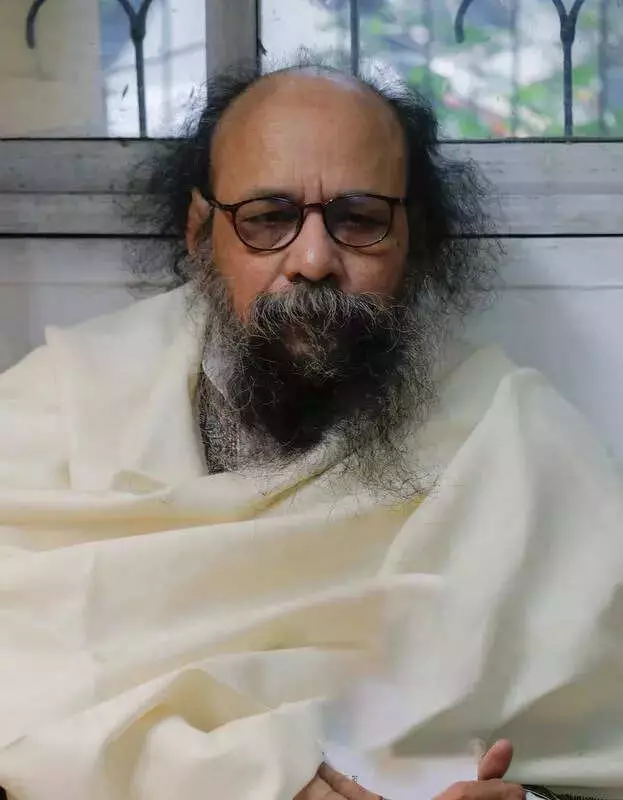
Renowned poet and Sahitya Akademi awardee Joy Goswami has found himself embroiled in a voter identity controversy, being listed among the 32 lakh unmapped voters in West Bengal. The 72-year-old literary figure, currently recovering from multiple surgeries, has been summoned by the Election Commission for a hearing, a move his family labels as systematic harassment rooted in a "pervasive politics of fear."
A Call That Sparked Distress
The Goswami family's ordeal began two days ago when the poet's wife received a call from the Election Commission. The authority directed that both Joy Goswami and his daughter, Bukun, attend a hearing scheduled for January 2. The basis for the summons is their inclusion in the ongoing Summary Revision of the Electoral Roll (SIR) process, which has flagged their documents.
Bukun Goswami expressed deep frustration, stating that her father's name, along with hers, is present in the 2025 draft voter list. The issue stems from the absence of a voter ID card for Joy Goswami in 2002, which is now being requested for verification. She emphasized that her father has consistently exercised his franchise, including voting in the 2024 elections for the Kolkata Dakshin Parliamentary constituency at the Jadavpur Girls High School polling station.

Health Hurdles and Systemic Harassment
Joy Goswami will not be able to attend the January 2 hearing due to severe medical restrictions. The poet underwent three surgeries in November and is under strict doctor's orders to avoid any travel that might involve jerks or risk. "Travel is a no-no for him," his daughter stated, highlighting his fragile condition.
Bukun framed the issue as part of a larger pattern affecting countless citizens. She described the ordeal as a "huge harassment" not just for her family but for many elderly and infirm individuals who struggle with the physical demands of such bureaucratic processes. "People are living in fear of what will happen next. Fear is the key now," she lamented, questioning how long citizens must endure this atmosphere.
A Family's Anguish and Political Backlash
The Goswami family, which previously lived in Jadavpur before moving to Salt Lake, continued to vote in their old constituency. Bukun explained the documentary gap: while her mother could produce her own mother's documents, Joy Goswami's parents passed away long ago in Ranaghat, and those papers are unavailable.
To protect her ailing father from stress, Bukun has withheld the news of the hearing from him. She plans to attend the hearing herself to answer queries and will only inform him if a second date is set, and that too after consulting his doctor.
The incident has drawn a sharp reaction from West Bengal's Education Minister, Bratya Basu. He linked the action to the BJP's stance towards Bengal, stating, "If Joy Goswami can be called for a hearing, I fear Tagore too would have got a call had he been alive now." Basu defended Goswami as a legitimate voter who migrated from Ranaghat to Kolkata decades ago and asserted that such actions disrespect Bengali culture and its luminaries.
This case throws a spotlight on the immense human and administrative challenges surrounding the verification of millions of unmapped voters in the state, raising critical questions about process, empathy, and political intent.






