Patna's Marine Drive Vendors Face Financial Crisis Amid Relocation Delays
The once-vibrant Marine Drive along the J P Ganga Path in Patna has transformed from a bustling nightlife hub into a desolate stretch over the past six months. This dramatic change occurred after higher authorities issued orders barring street vendors from setting up their stalls in the area, stripping the location of its characteristic energy and charm.
Vendors' Strike and Mounting Debts
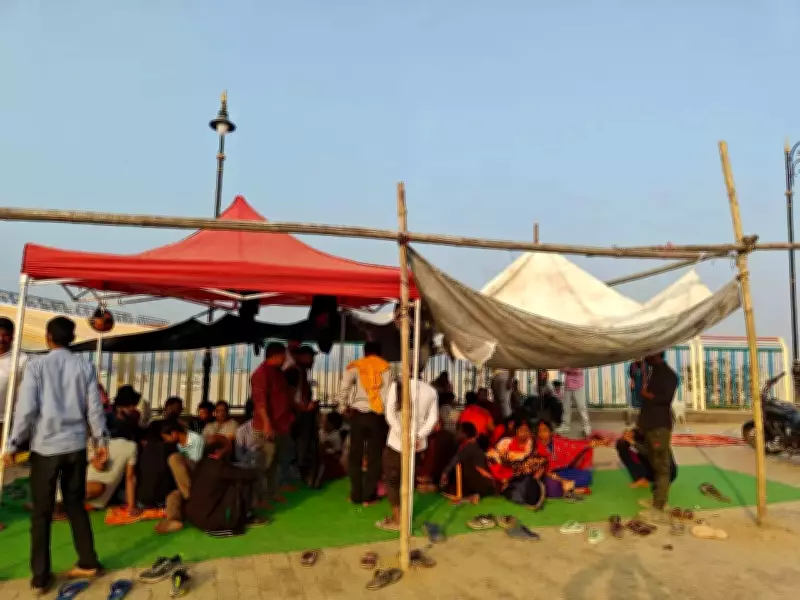
In response to their displacement, fast-food vendors who previously animated the Marine Drive initiated a seven-day strike, demanding the restoration of their original vending space. Many of these vendors now find themselves trapped in significant debt with no alternative income sources to sustain their livelihoods. The situation has created severe financial distress among the vendor community, who relied on the high foot traffic of the popular waterfront location.
Controversial Relocation Proposal
Civic bodies have attempted to address the crisis by assuring vendors that a new vending zone will be developed near Digha Golambar. However, this proposal remains stuck in the planning stage, leaving vendors in limbo. Raman Kumar Nirala, vice president of the J P Ganga Path Street Vendors' Association, expressed strong reservations about the proposed site.

"Customers will not go to that location," Nirala stated, referring to the area designated by the Patna Municipal Corporation. "We do not have any option but to abide by whatever the authorities offer, but the area is approximately 18 ft below the J P Ganga Path. People will not be able to enjoy the view from there; hence, there will be no footfall."
Nirala further criticized the proposed site's conditions, noting that "the area is dirty, with open drainage, and will take a long time to set up." He questioned how vendors are expected to earn a living during the extended transition period.
Broken Promises and Police Intervention
The vendor representative also alleged that authorities had promised to hand over shops by February 14. However, during a peaceful protest on the night of February 13, police arrived and damaged vendor tents. Association president Manish Kant, along with other members, subsequently submitted a formal grievance letter to multiple civic bodies seeking immediate intervention.
Administration's Response and Infrastructure Plans
PMC commissioner Yashpal Meena defended the relocation plan, stating, "They have been given a better location with all upcoming facilities." PMC spokesperson Priya Saurabh added that "the levelling work already started and we are trying to get the location ready for the vendors to shift as soon as possible because we are also looking out for them and their needs."
The administration has proposed establishing the vending zone between Atal Path and the railway line near Digha Golambar. Officials informed vendors that the site would be levelled within 10 days and would include comprehensive infrastructure such as:
- Proper roads and access points
- Reliable electricity connections
- Clean water supply systems
- Sanitary toilet facilities
The PMC plans to clear 55,000 square feet of land currently under encroachment to accommodate approximately 280 shopkeepers. The ambitious project also includes additional amenities:
- A foot overbridge for pedestrian safety
- Designated parking facilities
- Comprehensive lighting systems
Until the new zone becomes operational, vendors face the difficult choice of either remaining on the riverbank or staying out of work entirely.
Personal Stories of Economic Hardship
Sudhir Paswan, who operated a successful stall at the main Marine Drive site for four years, shared his dramatic financial reversal: "The business was booming back in the day. We earned up to Rs 30,000 a month, and now we are all running in debt." His story reflects the broader economic impact on the vendor community.
After being barred from Marine Drive, many vendors attempted to relocate to the riverbanks. However, this temporary solution proved challenging due to constant sand and dust from passing vehicles, creating unsanitary and difficult working conditions.

Previous Promises and Current Realities
The vendors had previously been allegedly promised 500 prefabricated shops under a Patna Smart City Limited project. After 200 shops were constructed, they were handed over to Jeevika Didis because the design was not approved for the Ganga Path location. Currently, only about five open modular shops have been built as prototypes at Marine Drive, but vendors claim they were informed these would be allocated to larger commercial brands rather than the displaced street vendors.
The ongoing struggle highlights the complex challenges of urban planning, vendor rights, and economic sustainability in developing cities like Patna. As authorities work to implement their relocation plan, hundreds of vendors continue to face uncertainty about their financial futures and ability to support their families.