Maharashtra Opposition Announces Boycott of Government's High Tea Tradition
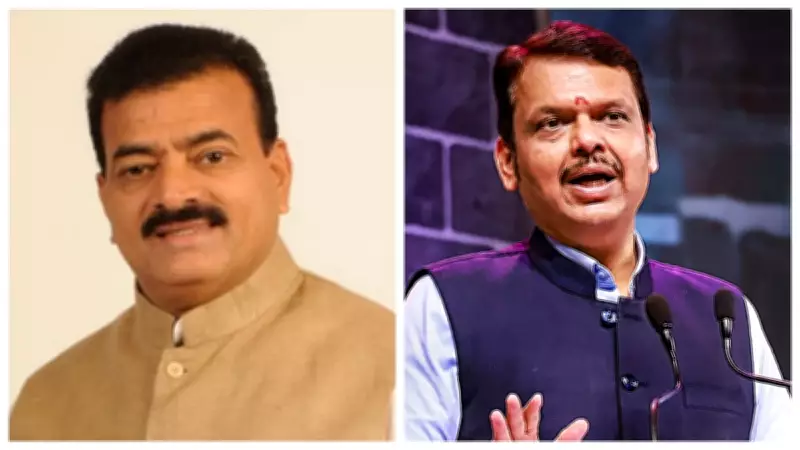
In a significant political development, opposition leaders in Maharashtra have declared their intention to boycott the high tea invitation extended by the Devendra Fadnavis-led government. The announcement was made by senior opposition figure Bhaskar Jadhav, who cited multiple contentious issues as the rationale behind this decision.
Reasons Behind the Boycott Decision
Bhaskar Jadhav elaborated that the opposition's refusal to attend the traditional event stems from two primary concerns. First, the ongoing Indo-US deal has raised substantial questions among opposition parties regarding its implications for state and national interests. Second, the recent death of prominent political leader Ajit Pawar has created an atmosphere of mourning and reflection that opposition members feel makes such celebratory gatherings inappropriate at this time.
Devendra Fadnavis had personally written to senior opposition members inviting them to participate in this longstanding tradition, which typically occurs on the eve of a legislative session. This gesture, while customary, has been met with firm resistance from the opposition camp.

Political Implications of the Boycott
The boycott represents more than just a refusal to attend a social event; it signals deepening political divisions within Maharashtra's political landscape. By rejecting this olive branch from the ruling government, opposition parties are making a clear statement about their dissatisfaction with current policies and governance approaches.
The high tea event has historically served as an informal platform for cross-party dialogue before important legislative sessions. Its absence this year could potentially impact the tone and dynamics of upcoming parliamentary discussions.
Broader Context of Maharashtra Politics
This development occurs against a backdrop of evolving political alliances and shifting power dynamics in Maharashtra. The reference to Ajit Pawar's death highlights how personal relationships and historical contexts continue to influence contemporary political decisions in the state.
The opposition's stance, particularly from Shiv Sena (UBT) members, suggests coordinated strategy rather than isolated protest. As legislative sessions approach, this boycott may foreshadow more substantive confrontations on policy matters within the state assembly.