The Odisha government has initiated a major drive to resolve long-standing land ownership disputes concerning the revered Puri Jagannath Temple. The state's law department is working on reforming the existing uniform land policy, with a target to begin the settlement process within the next one-and-a-half months.
Addressing Massive Encroachment and Revenue Loss
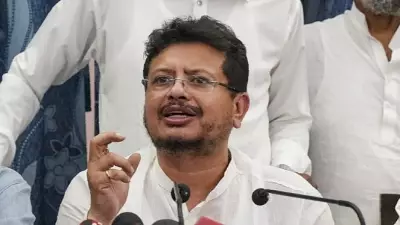
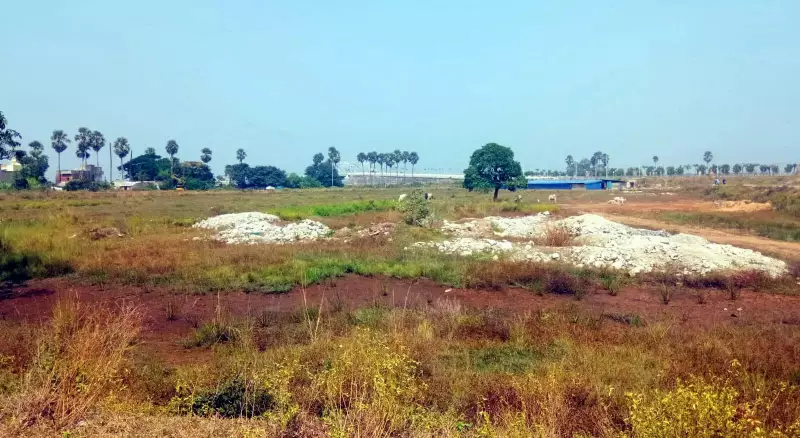
This crucial decision was announced by Law Minister Prithviraj Harichandan during a review meeting held on Tuesday to discuss amendments to the Srimandir Land Settlement Policy. The move addresses a critical issue: the encroachment of approximately 55,000 acres of land belonging to Lord Jagannath, located both within Odisha and in other states.
This widespread encroachment has led to a significant loss of revenue for the temple's administration. In many instances, the encroachers are poor, landless servitors (sevayats) who have occupied these plots for years, even generations, but have been unable to establish their legal rights over them.

Dual-Pronged Strategy: Eviction and Settlement
The minister outlined a two-fold strategy embedded in the policy amendments. First, the government aims to draw up a definitive list of all encroached plots and evict illegal occupants. The amendments to the Uniform Policy of 2003 are being framed to facilitate this action.
However, recognizing the complex human dimension, the policy also includes a settlement provision. In cases where removal of occupants is not feasible—particularly where sevayats have been in possession for long periods spanning generations—the plan is to formally settle the land in their favour through the new Uniform Land Settlement Policy.
"This will help both the land occupants and also increase revenue of the Srimandir," Harichandan stated. He emphasized that the proposals discussed aim to free these valuable landed properties from encroachment and ensure they are allotted at the highest possible market value, benefiting the temple's treasury.
Overhauling the 70-Year-Old Temple Act
Beyond land disputes, the review meeting also deliberated on the need to modernize the foundational legislation governing the temple. The minister pointed out that the Shri Jagannath Temple Act of 1955 is nearly seven decades old and requires updating to remain relevant in the present context.
Certain provisions and sections of the Act need to be changed or amended. The state's Law Commission has already suggested specific changes, and a final decision on these recommendations will be taken shortly, Harichandan informed.
This comprehensive initiative marks a significant step towards streamlining the management of the temple's vast assets and ensuring its financial health and administrative efficacy for the future.