Odisha Government Implements Ban on Open Market Sale of 5kg LPG Cylinders
In a move aimed at curbing illegal activities, the Odisha state government has announced an immediate ban on the unauthorised sale of 5kg LPG cylinders in the open market. Food Supplies and Consumer Welfare Minister Krushna Chandra Patra made the declaration on Sunday, warning dealers against illegally refilling such cylinders and directing officials to enforce the prohibition from that day forward.
Impact on Migrant Students in Twin Cities
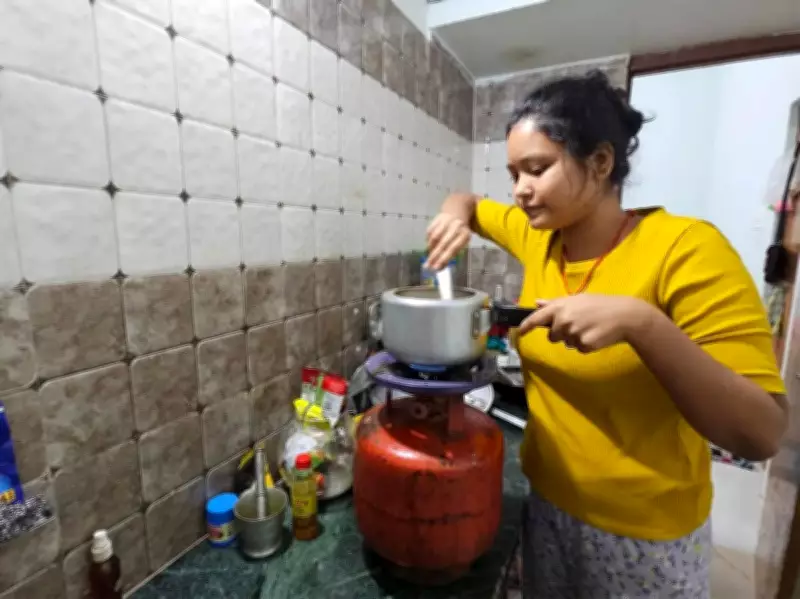
This decision has raised significant concerns, particularly among migrant students residing in rented accommodations and messes in the twin cities of Cuttack and Bhubaneswar. For these students, the 5kg cylinders have served as a practical and affordable cooking fuel solution, allowing them to prepare meals independently while managing tight budgets.
Abhishek Panda, a final-year graduation student from Bhadrak studying in Bhubaneswar, highlighted the reliance on local kirana stores for these cylinders. He noted that they are often cheaper and quicker to procure compared to regular-sized cylinders. However, he expressed distress over recent price hikes, with refill rates soaring from Rs 110 per kg before the war to Rs 340 per kg, making it increasingly difficult for students to afford.

Government's Rationale and Alternative Options
Minister Patra defended the ban, stating that the open market sale was illegal and part of efforts to combat black marketing of LPG. Officials echoed this, pointing out that such sales were largely unauthorised and prone to misuse. In response to concerns, the Ministry of Petroleum and Natural Gas clarified that 5kg Free Trade LPG (FTL) cylinders are available at authorised distributorships and can be purchased with any valid ID proof, without requiring address proof.
Student Concerns Over Practicality
Despite this alternative, students like Manoranjan Rout questioned its practicality. Many students are engaged in full-time studies or balancing academics with part-time jobs, making local access to cylinders more convenient than waiting at LPG agencies. The minister acknowledged that students in institutional hostels would not be affected, as their food arrangements are managed, but this offers little solace to those in private accommodations.
The ban underscores a growing tension between regulatory measures and the daily needs of vulnerable populations, with migrant students caught in the crossfire of policy changes aimed at market integrity.