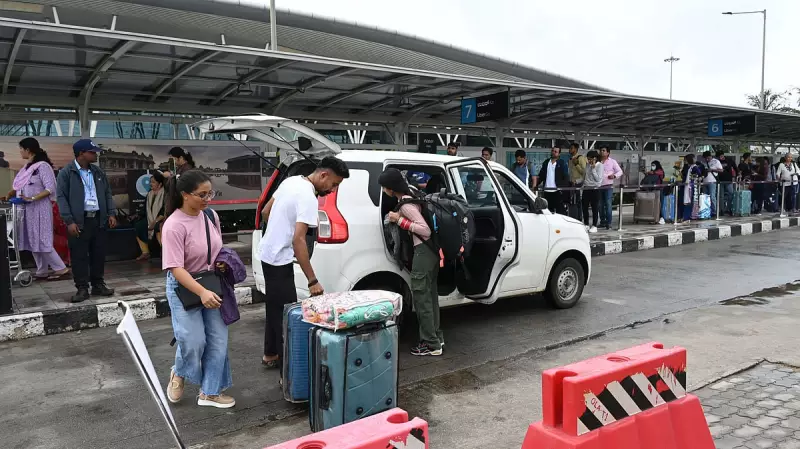
Non-Aggregator Cabs Granted T1 Kerbside Access at Bengaluru Airport
In a significant move to streamline airport operations and enhance passenger convenience, non-aggregator cabs in Bengaluru have been officially granted kerbside access at Terminal 1 of Kempegowda International Airport. This decision, announced by airport authorities and the Karnataka transport department, aims to address long-standing issues of congestion and improve the overall travel experience for commuters.
Key Changes and Implementation Details
The new policy allows non-aggregator cabs, which include traditional taxi services and private cab operators not affiliated with major ride-hailing platforms, to pick up passengers directly from the kerbside at T1. Previously, these cabs were often relegated to designated parking areas, causing delays and inconvenience for travelers. With this change, passengers can now expect faster and more efficient pickups, reducing wait times and minimizing the hassle of navigating through crowded airport zones.
Authorities have emphasized that this move is part of a broader effort to decongest the airport premises and promote fair competition among cab operators. By providing equal access to kerbside areas, the initiative seeks to level the playing field between aggregator-based services and traditional cabs, ensuring that all commuters have a variety of options to choose from upon arrival.

Impact on Passengers and Cab Operators
For passengers, the benefits are manifold. The direct kerbside access means:
- Reduced walking distances from the terminal to pickup points.
- Shorter wait times as cabs can now arrive promptly at designated spots.
- Enhanced safety and convenience, especially for those with heavy luggage or mobility issues.
Cab operators, on the other hand, stand to gain from increased visibility and accessibility. Non-aggregator cabs can now compete more effectively with app-based services, potentially boosting their business and providing passengers with more competitive pricing options. This development is expected to foster a healthier ecosystem within Bengaluru's transport sector, encouraging innovation and service improvement across the board.
Broader Implications for Bengaluru's Transport Infrastructure
This policy shift aligns with ongoing efforts to modernize Bengaluru's transport infrastructure and address urban mobility challenges. The Karnataka government has been actively working on initiatives to improve airport connectivity and reduce traffic congestion in the city. By integrating non-aggregator cabs into the airport's pickup system, authorities are not only enhancing passenger experience but also promoting sustainable transport solutions.
Looking ahead, further measures may include digital integration for non-aggregator cabs, such as app-based booking systems or real-time tracking, to keep pace with technological advancements. Such steps could ensure that all cab services, regardless of their operational model, contribute to a seamless and efficient travel ecosystem in Bengaluru.
In conclusion, the granting of T1 kerbside access to non-aggregator cabs marks a positive step towards a more inclusive and efficient airport transport system. As Bengaluru continues to grow as a major hub for business and tourism, such initiatives will play a crucial role in shaping a traveler-friendly city that prioritizes convenience, safety, and fair competition.