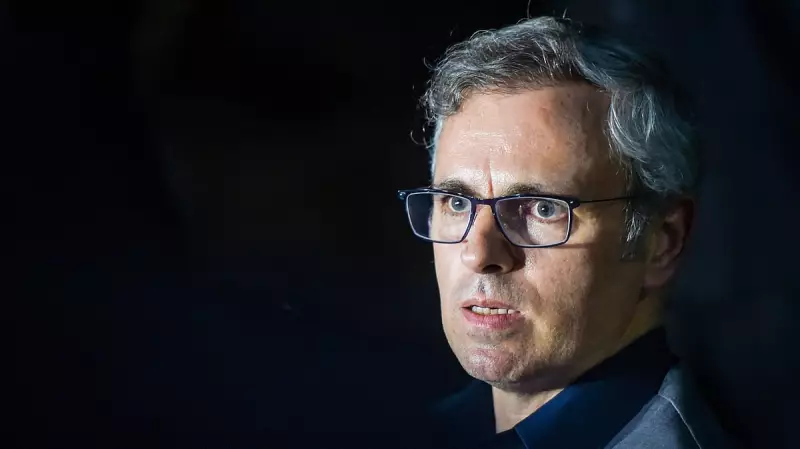
In a significant relief for residents of Jammu and Kashmir, former Chief Minister Omar Abdullah has confirmed that there will be no general increase in electricity tariffs across the Union Territory for the upcoming financial year of 2025-26. This clarification comes amidst widespread public concern and speculation regarding potential hikes in power bills.
Official Communication Puts Rumors to Rest
Omar Abdullah, the Vice President of the National Conference, shared an official communication from the Jammu and Kashmir Power Development Department (JKPDD) on social media platform X. The document, dated February 21, 2025, was addressed to the Chief Engineer of the Jammu and Kashmir Power Transmission Corporation Limited (JKPTC).
The letter explicitly states that no proposal for a general tariff revision for the financial year 2025-26 is under consideration by the department. This direct communication from the authorities aims to dispel any misinformation or anxiety among the public regarding their electricity expenses for the next fiscal cycle.

Context and Public Concern
The announcement holds considerable importance as electricity tariffs are a sensitive issue affecting every household and business in the region. Speculation about possible hikes had been circulating, causing apprehension among consumers already grappling with various economic pressures.
By making the official letter public, Omar Abdullah has played a role in ensuring transparency and providing timely information to the citizens. The move underscores the critical need for clear communication from utilities and government bodies on matters that directly impact the cost of living.
What This Means for Consumers
For the common consumer in Jammu and Kashmir, this confirmation means stability in their monthly budgeting. The assurance that there will be no across-the-board increase offers financial predictability for families, farmers, and commercial establishments.
It is important to note that the communication specifies "no general increase." This phrasing typically refers to a uniform hike applicable to all consumer categories. It does not preclude adjustments in other charges, subsidies, or category-specific rationalizations that might be undertaken by the regulatory body, the Jammu and Kashmir Electricity Regulatory Commission (JKERC).
The final tariffs for any financial year are determined by the JKERC after a detailed process involving utility submissions, public hearings, and stakeholder consultations. The Power Department's current stance indicates it is not proactively seeking a general revision for the coming year.
Broader Implications and Next Steps
This development is likely to be welcomed by civil society and business groups in Jammu and Kashmir. Stable power tariffs can contribute to a more favorable environment for domestic consumers and can also be a factor in encouraging industrial and commercial activity.
The focus may now shift to other aspects of the power sector in the region, such as:
- Improving the quality and reliability of power supply.
- Enhancing billing efficiency and reducing aggregate technical and commercial (AT&C) losses.
- Promoting the use of renewable energy sources.
- Ensuring targeted subsidies reach intended beneficiary groups effectively.
While the news brings immediate relief, long-term sustainability of the power sector remains a complex challenge. It involves balancing the financial viability of distribution companies with the affordability of electricity for consumers.
The official communication, as highlighted by Omar Abdullah, serves as a crucial piece of public information. It helps in managing expectations and allows consumers to plan their finances without the looming worry of a significant hike in their electricity costs for the year 2025-26.