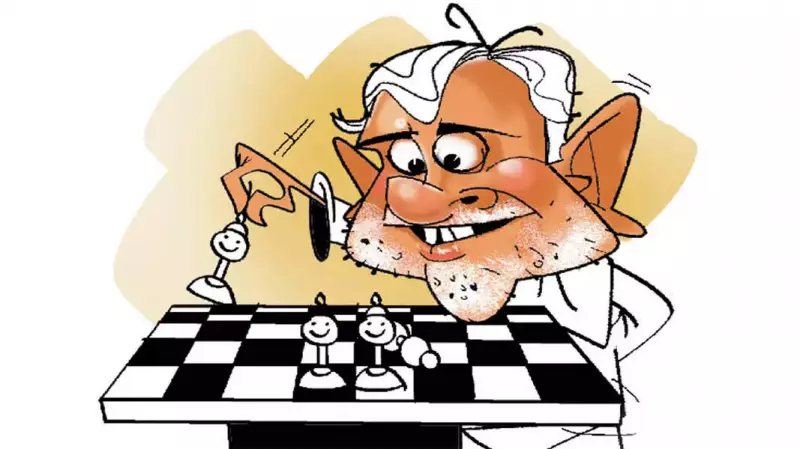
In the complex landscape of Indian politics, Bihar Chief Minister Nitish Kumar has perfected what many call 'the art of freebies' - a strategic distribution of welfare benefits that has become central to his political survival and governance model. This approach has not only reshaped Bihar's political discourse but has also raised important questions about fiscal responsibility and sustainable development.
The Freebie Ecosystem: More Than Just Electoral Promises
Nitish Kumar's administration has systematically built what political analysts describe as a comprehensive freebie ecosystem. The Bihar government currently runs numerous welfare schemes that provide direct benefits to various sections of society, particularly women, students, and marginalized communities. These initiatives range from financial assistance programs to educational support and healthcare benefits.
What distinguishes Kumar's approach from conventional populism is the structured implementation and branding of these schemes. Each program is carefully designed to address specific voter segments while maintaining a narrative of development and empowerment. The timing of these announcements often coincides with critical political moments, ensuring maximum electoral impact.

Key Schemes and Their Political Impact
The Bihar government's flagship programs have become integral to Kumar's political identity. Among the most significant is the bicycle scheme for schoolgirls, which not only improved educational access but also created a powerful symbol of women's empowerment. Similarly, various scholarship programs and financial assistance initiatives have cemented Kumar's support among youth and economically disadvantaged groups.
Recent announcements include enhanced financial aid for women and expanded educational support, reflecting the government's continued focus on welfare distribution. These schemes are meticulously packaged as 'empowerment initiatives' rather than mere freebies, allowing Kumar to maintain his development-focused image while engaging in populist politics.
Fiscal Implications and Sustainability Concerns
While politically effective, this freebie-driven approach has raised serious questions about fiscal sustainability. Bihar's financial resources are being stretched thin by the ever-expanding network of welfare schemes. Economists point to the growing burden on the state exchequer and the potential long-term consequences for development spending.
The state government has had to make difficult trade-offs, often prioritizing immediate welfare distribution over infrastructure development and capital expenditure. This has led to debates about whether the current model can be sustained without compromising Bihar's long-term economic interests or increasing its dependency on central government funds.
Political Strategy and Electoral Outcomes
Nitish Kumar's mastery of freebie politics cannot be understood without examining its electoral dimensions. Each welfare scheme serves multiple political purposes - building voter loyalty, creating distinct voter constituencies, and neutralizing opposition criticism. The careful targeting of benefits ensures that Kumar maintains support across caste and community lines.
Political observers note that Kumar has successfully used these schemes to build what they call a 'development-populism' hybrid model. This approach allows him to appeal to both aspirational voters seeking development and those dependent on immediate welfare benefits. The strategy has proven particularly effective in Bihar's complex social fabric, where economic and caste considerations often intersect.
The freebie strategy has also enabled Kumar to maintain political relevance despite changing alliances and coalition dynamics. By establishing direct connections with voters through welfare distribution, he has reduced his dependence on traditional vote banks and alliance partners, creating a more independent political standing.

Broader Implications for Indian Politics
Nitish Kumar's experiment with freebie politics has implications beyond Bihar's borders. Several other states are closely studying the Bihar model as they design their own welfare strategies. The success of these schemes in delivering electoral results has prompted political parties across the spectrum to reconsider their approach to welfare and development.
However, the model also faces criticism for potentially creating a culture of dependency and distorting policy priorities. Critics argue that while freebies may deliver short-term political gains, they could undermine the state's capacity for sustainable development and economic growth.
As Bihar continues to navigate this complex political landscape, the debate around Nitish Kumar's freebie strategy reflects larger questions about the role of welfare in democracy, the balance between immediate benefits and long-term development, and the evolving nature of political leadership in India.
The coming years will be crucial in determining whether this approach represents a sustainable governance model or whether fiscal realities will force a recalibration of the state's political and economic strategies.