Speculation Mounts Over Nitish Kumar's Resignation as Bihar Chief Minister
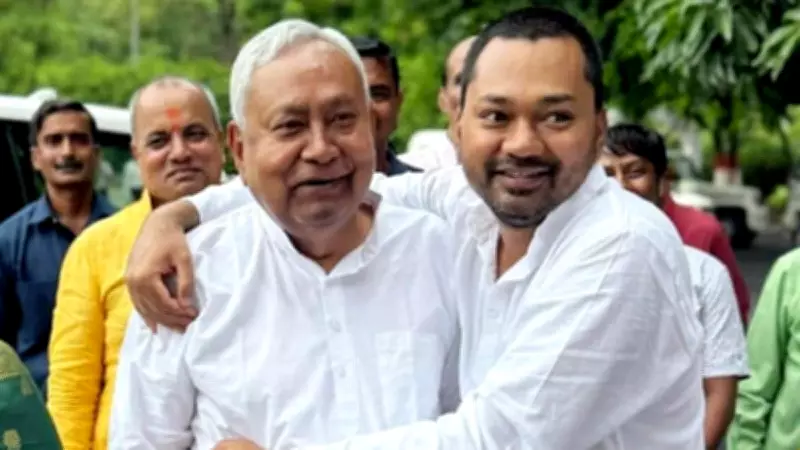
High-level sources within the Janata Dal-United (JD-U) have revealed that for the past year, there was immense and sustained pressure on veteran leader Nitish Kumar to draft his son, Nishant Kumar, into the party and actively involve him in state politics. This revelation has ignited intense speculation and debate across political circles in Bihar and nationally, with many questioning whether this familial pressure played a pivotal role in Nitish Kumar's recent decision to step down from the coveted post of Chief Minister.
A Year-Long Campaign for Dynastic Entry
According to insiders, the campaign to bring Nishant Kumar into the political fold was not a sudden development but a carefully orchestrated effort that spanned approximately twelve months. Senior party members and close associates reportedly exerted significant influence on Nitish Kumar, urging him to create a pathway for his son's political career. This pressure is said to have been a constant backdrop during key party meetings and strategy sessions, subtly shaping internal discussions about leadership and succession within the JD-U.
The timing of these revelations is particularly striking, emerging just as Nitish Kumar made the dramatic move to resign from the chief minister's office. While official statements cited personal reasons or broader political realignments, the JD-U sources suggest that the desire to facilitate his son's rise may have been an unspoken yet critical factor. This adds a complex dynastic dimension to Bihar's volatile political landscape, where family lineages often influence power structures.
Analyzing the Implications for Bihar's Political Future
If these claims hold true, the implications are profound for both the JD-U and Bihar's governance. Nitish Kumar, known for his administrative acumen and anti-dynasty stance in the past, would be seen making a significant personal compromise. Introducing Nishant Kumar into active politics could signal a strategic shift towards consolidating family control within the party, potentially alienating other senior leaders and grassroots workers who have risen through merit.
The situation raises several pressing questions:
- Will Nishant Kumar's entry be met with internal resistance or unified support?
- How will this affect the JD-U's alliances and voter perception in upcoming elections?
- Does this mark a broader trend of dynastic politics resurfacing in Bihar?
Political analysts are closely monitoring developments, noting that such moves could reshape party dynamics and influence Bihar's socio-political trajectory. The coming months will likely see increased scrutiny on Nishant Kumar's political debut and any official roles he assumes within the JD-U or government.
Broader Context and Reactions
This episode occurs against a backdrop of evolving political narratives in India, where family succession in parties often sparks controversy. While some view it as a natural progression, others criticize it as undermining democratic principles. In Bihar, where Nitish Kumar has been a central figure for decades, his potential endorsement of his son could either stabilize his legacy or trigger internal fissures.
Reactions from opposition parties have been swift, with many seizing the opportunity to accuse the JD-U of hypocrisy and nepotism. Meanwhile, supporters argue that Nitish Kumar's sacrifice demonstrates his commitment to party rejuvenation and long-term planning. As the story unfolds, all eyes remain on Patna for further announcements regarding Nishant Kumar's political involvement and the true motivations behind his father's resignation.