The Escalating Pakistan-Taliban Conflict: A Strategic Crisis Unfolding
The global spotlight may be fixed on the US-Israel-Iran war, but a rapidly intensifying conflict on Iran's eastern flank is demanding urgent attention. Pakistan's escalating military confrontation with the Taliban government in Afghanistan is turning increasingly deadly, with profound implications for regional stability. This clash, marked by airstrikes and cross-border operations, is not just a bilateral dispute but a symptom of a collapsed strategic policy that now threatens to spill across South Asia.
Operation Ghazab lil Haq and Its Human Cost
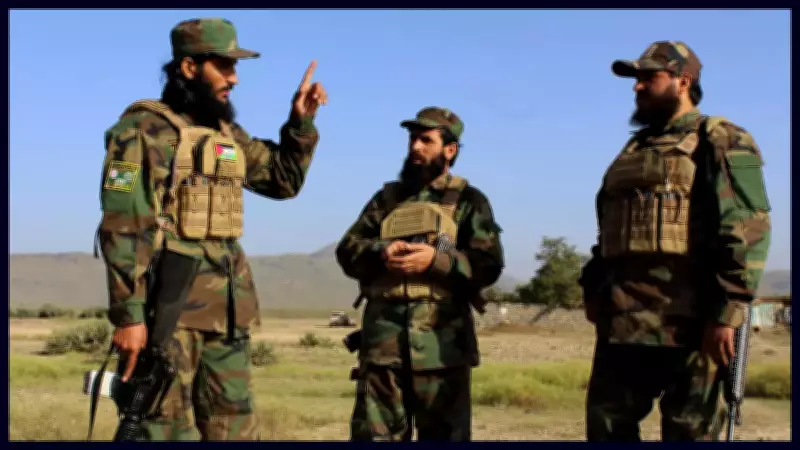
In response to Afghan Taliban attacks along the 2,611-kilometer shared border, Pakistan launched Operation Ghazab lil Haq last week, describing the situation as an open war. While Pakistan insists its targets are militants and support infrastructure, Afghan officials report strikes hitting civilian areas, leading to widespread fear and displacement. The timing during Ramzan has amplified the misery, with residents like Farid Khan Shinwari describing a harrowing pattern: calm days shattered by shelling at sunset, precisely when families gather for iftar meals. This humanitarian crisis unfolds even as regional mediation efforts, such as those offered by Turkey's President Recep Tayyip Erdogan, are stifled by the diplomatic focus on the Middle East war.
The Collapse of Pakistan's Militant Strategy
This conflict underscores a deeper, decades-long failure in Pakistan's security policy. Historically, Pakistan's establishment promoted the good Taliban theory, viewing certain factions as nationalist actors focused on governing Afghanistan rather than exporting jihad. The Taliban's return to power in 2021 was initially celebrated as a strategic victory. However, as External Affairs Minister S. Jaishankar noted in 2023, multiple chickens are coming home to roost. Instead of stability, Pakistan has faced a surge in militant attacks, with the Armed Conflict Location & Event Data Project recording approximately 600 TTP attacks in the year leading to October 2025. The Taliban, no longer reliant on Pakistani sponsorship, has little incentive to cooperate, depriving Pakistan of its former leverage.
Strategic Constraints Facing Pakistan
Pakistan now operates within a tightening strategic box with three critical constraints:
- Geographic Inescapability: Unlike the US, Pakistan cannot withdraw from its neighborhood. Sustaining military operations is economically and politically costly, with escalation risks that are difficult to de-escalate, as highlighted in Foreign Policy reports.
- Domestic and Sectarian Pressures: The Iran war exacerbates internal tensions. Michael Kugelman of the Atlantic Council notes that Pakistan's large Shia community and public criticism of military actions fuel anger, while spillover unrest in Balochistan could embolden separatist insurgents.
- Gulf Dependencies: Pakistan's deep financial and labor ties to Gulf states offer a lifeline but also narrow strategic options when regional alliances harden, as seen in references to defense pacts with Saudi Arabia.
Why India's Calculus Differs
India has a direct stake in this conflict's evolution, not as a participant but due to the stress on Pakistan's internal security, military posture, and militant ecosystem. Key implications include:
- Militant Spillover Risk: Weakened border control could create permissive spaces for armed groups to reorganize, with knock-on effects across South Asia.
- Two-Front Pressure on Pakistan: A military tied down in the west might reduce capacity against India but could also incentivize risk-taking or diversionary tactics to reassert deterrence.
- Nuclear Security Concerns: The danger of Pakistani nuclear assets falling into rogue hands remains a persistent threat.
- Economic and Energy Shocks: Disruptions in Gulf energy flows could impact India's economy, while Pakistan's fiscal fragility heightens instability risks on India's doorstep.
Potential Scenarios and Outcomes
According to Michael Kugelman, three possible trajectories exist:
- Best-Case: Internationally mediated talks lead to a temporary ceasefire.
- Middle Scenario: Limited military actions continue at controlled intensity without negotiations.
- Worst-Case: Expanded Pakistani airstrikes across Afghanistan provoke intensified Taliban border operations and attacks in Pakistani cities.
Bottom Line for India
Dismissing the Pakistan-Taliban conflict as background noise behind the Iran war would be a grave error. Wars in South Asia have a tendency to leak through refugees, smuggling routes, and militant networks. India's proximity ensures it will feel the aftershocks, making vigilant monitoring and strategic preparedness essential. This unfolding crisis highlights the interconnected nature of regional security, where shifts in one nation's policy can ripple across borders, demanding a nuanced and proactive response from New Delhi.