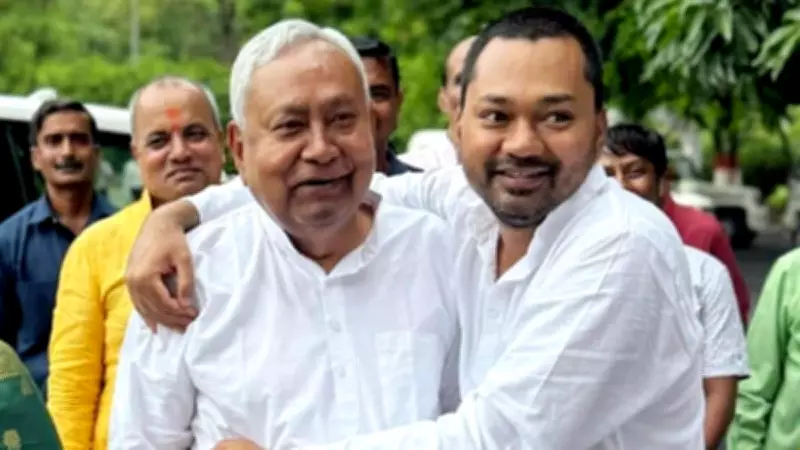
Nishant Kumar Emerges as Frontrunner for Bihar Deputy Chief Minister Post
In a development that has captured the attention of political observers across India, Nishant Kumar, the son of Bihar Chief Minister Nitish Kumar, is being widely tipped to assume the role of Deputy Chief Minister in the state government. This potential appointment marks a notable entry into active politics for Nishant, whose father has frequently voiced strong opposition to dynastic practices within the political arena.
A Political Debut Amidst Contradictions
The speculation surrounding Nishant Kumar's elevation to the deputy chief minister position is particularly significant given Nitish Kumar's longstanding public stance against nepotism and family-based succession in politics. Over the years, Nitish Kumar has positioned himself as a leader who advocates for meritocracy and has often criticized other political parties for promoting dynastic rule. This move, therefore, presents a striking contrast that is likely to spark intense debate and scrutiny within political circles and among the public.
Sources close to the Bihar government indicate that formal announcements regarding this appointment could be made in the coming days, following internal discussions and party approvals. Nishant Kumar, who has largely maintained a low profile until now, is expected to bring a fresh perspective to the state's administration, although details about his specific roles and responsibilities remain under wraps.
Implications for Bihar's Political Landscape
If confirmed, Nishant Kumar's appointment as Deputy Chief Minister would represent a strategic shift in Bihar's governance dynamics. It could signal a new phase in the state's political narrative, potentially influencing future electoral strategies and party alignments. Analysts are closely watching how this development might affect public perception, especially in light of Nitish Kumar's previous criticisms of dynastic politics.
Key points to consider include:
- The timing of this move, which comes amid ongoing political realignments in Bihar.
- The potential impact on Nitish Kumar's image as a leader who has built his reputation on anti-dynastic principles.
- How Nishant Kumar's entry might reshape power structures within the ruling party and the state government.
As the situation unfolds, stakeholders from various sectors are expected to weigh in on the implications of this probable appointment. The broader context of Indian politics, where dynastic succession remains a contentious issue, adds layers of complexity to this story.
In summary, the anticipated political debut of Nishant Kumar as Bihar's Deputy Chief Minister is a development fraught with irony and significance, challenging established norms and setting the stage for renewed discussions on governance and leadership in one of India's key states.