NCP-SP Merger May Face Roadblock Due to Ajit Pawar's Death, Says Sharad Pawar
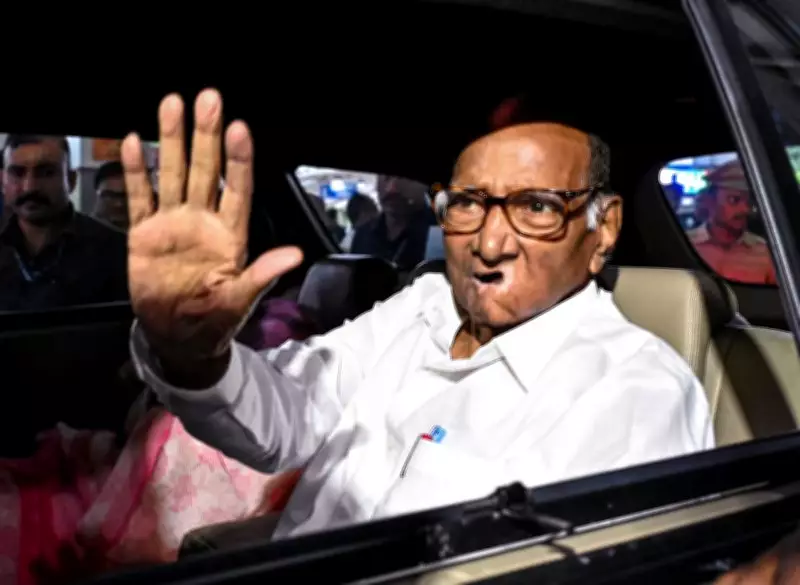
In a significant development within Maharashtra's political landscape, veteran leader Sharad Pawar has indicated that the proposed merger between the Nationalist Congress Party (NCP) and the NCP-Sharadchandra Pawar (NCP-SP) faction might encounter substantial obstacles. This potential roadblock is attributed to the recent and untimely death of Ajit Pawar, a key figure in the party's dynamics and a central player in the ongoing negotiations.
Impact of Ajit Pawar's Demise on Political Alignments
The passing of Ajit Pawar has created a void in the NCP's leadership structure, which is now complicating the merger talks that were previously underway. Sharad Pawar, in his recent statements, emphasized that Ajit's death has introduced new uncertainties and challenges, as he was instrumental in bridging gaps between the two factions. His absence is seen as a critical factor that could delay or even derail the unification process, which aimed to consolidate the party's strength ahead of upcoming electoral battles.
Political analysts suggest that Ajit Pawar's role was pivotal in mediating between different groups within the NCP and the NCP-SP, fostering a sense of unity and cooperation. Without his influence, the merger discussions may face increased resistance from various stakeholders who were aligned with his vision and leadership. This development underscores the fragile nature of political alliances in India, where personal relationships and individual leaders often play a decisive role in shaping party strategies.

Broader Implications for Maharashtra's Political Future
The potential roadblock in the NCP-SP merger has broader implications for Maharashtra's political stability and governance. A successful merger was expected to strengthen the party's position in the state, potentially altering power equations and influencing policy decisions. With this process now in jeopardy, there could be a ripple effect on coalition politics, affecting alliances with other regional and national parties.
Sharad Pawar's remarks highlight the need for careful navigation in the post-Ajit era, as the party grapples with internal divisions and external pressures. The situation calls for renewed efforts to build consensus among remaining leaders and members, ensuring that the party's objectives are not compromised. As the political climate evolves, stakeholders will be closely monitoring how the NCP and NCP-SP adapt to these challenges, with the outcome likely to impact Maharashtra's electoral landscape in the near future.