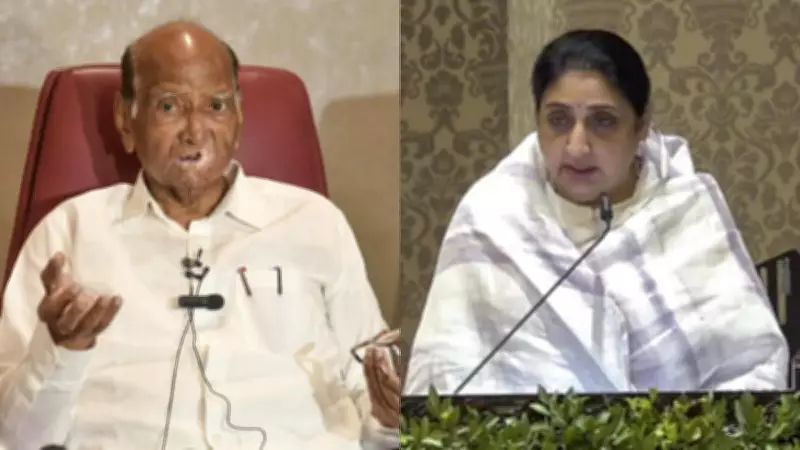
NCP Merger Talks Pushed to Back Burner Amid Internal Discord
The much-anticipated merger discussions between the Nationalist Congress Party factions led by Sharad Pawar and the NCP (Sharad Pawar) have been effectively stalled and pushed to the back burner. This development comes amidst growing internal tensions within the party, raising questions about the future of political consolidation in Maharashtra.
Sharad Pawar's Indirect Swipe at Party Leadership
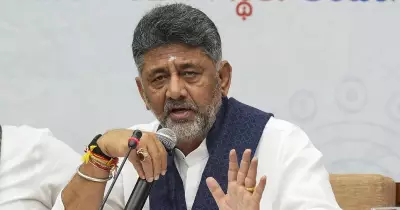
Speaking to reporters in Baramati, veteran politician Sharad Pawar took an indirect but pointed swipe at key party figures. Without naming them directly, Pawar suggested that significant decisions were being taken in Mumbai without adequate broader consultation with party members and stakeholders across the state.
The comments were widely interpreted as targeting NCP working president Praful Patel and state unit president Sunil Tatkare, both of whom are based in Mumbai and have been instrumental in recent party decisions. Pawar's remarks highlight a growing divide between the party's Mumbai-based leadership and its broader organizational structure.

What This Means for the Proposed Merger
The stalled talks create significant uncertainty around the proposed merger between Sharad Pawar's NCP faction and the NCP (SP). Political analysts suggest several potential outcomes:
- Delayed Consolidation: The merger process may face extended delays as internal differences are resolved
- Power Struggle: The comments indicate an ongoing power struggle within the party hierarchy
- Regional vs. Central Leadership: The situation highlights tensions between Mumbai-based decision-making and broader state consultation
- Future Negotiations: The path forward for merger discussions remains unclear without consensus on decision-making processes
Broader Implications for Maharashtra Politics
This development has significant implications beyond just the NCP's internal dynamics. Maharashtra's political landscape has been in flux with various realignments and coalition formations. The stalled NCP merger talks could affect:
- Coalition mathematics in the state assembly
- Opposition unity efforts against the ruling coalition
- Regional political equations across Maharashtra's diverse constituencies
- Future electoral strategies for all major political parties in the state
The situation in Baramati, where Sharad Pawar made his comments, is particularly significant as it represents his traditional stronghold and reflects broader sentiments within the party's core support base.
As the political drama unfolds, all eyes remain on how the NCP leadership will navigate these internal challenges and whether the much-discussed merger will eventually materialize or remain indefinitely postponed. The coming weeks are likely to see further developments as both factions assess their positions and the broader political implications of their internal discord.