West Bengal's Naxalbari: From Red Cradle to Saffron Ground
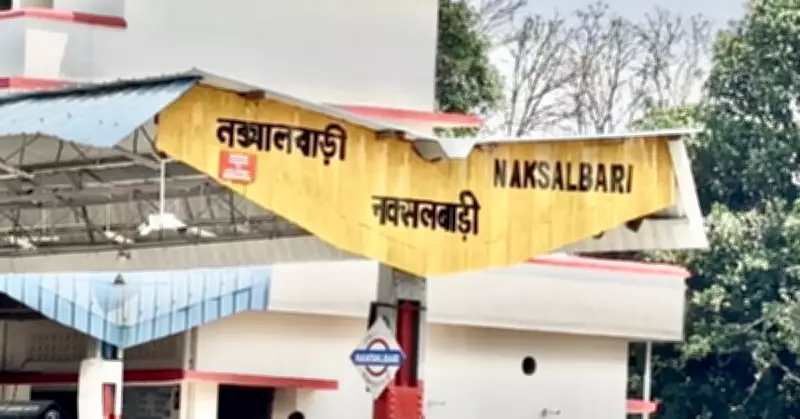
In a remarkable political evolution, the Naxalbari constituency in West Bengal, long celebrated as the birthplace of the Naxalite movement, is now witnessing a profound shift towards saffron politics. This transformation comes nearly five decades after the Indian state declared its victory over Naxalism, marking a new chapter in the region's turbulent history.
A Historic Shift in Political Allegiance
Naxalbari, with its substantial tribal population, is being actively and strategically wooed by the Bharatiya Janata Party (BJP) as part of its broader electoral strategy for the upcoming West Bengal Assembly Elections in 2026. This move represents a significant departure from the area's traditional leftist leanings, which have defined its political landscape for generations.
The constituency's journey from a red stronghold to a potential saffron bastion underscores the dynamic and often unpredictable nature of Indian democracy. For years, Naxalbari served as the epicenter of radical left-wing activism, inspiring movements across the country. Today, however, the BJP's outreach efforts are reshaping local political discourse, focusing on development, governance, and national integration.

Strategic Importance in the 2026 Elections
Analysts highlight that the BJP's focus on Naxalbari is not merely symbolic but strategically crucial. The region's tribal communities, who have historically been marginalized, are now seen as key voters in determining the outcome of the Assembly Elections. The party's campaign emphasizes economic empowerment, infrastructure development, and social welfare schemes, aiming to resonate with local aspirations.
This political realignment is part of a larger trend in West Bengal, where the BJP has been making significant inroads in recent years. The 2026 elections are poised to be a critical battleground, with Naxalbari serving as a microcosm of the state's shifting political dynamics. The BJP's efforts here reflect a calculated attempt to expand its base beyond urban centers into rural and tribal heartlands.
Implications for Regional and National Politics
The transformation of Naxalbari carries profound implications for both regional and national politics. It signals a potential weakening of traditional leftist ideologies in areas once considered their fortresses. Moreover, it highlights the BJP's growing influence in eastern India, challenging established political parties and reshaping electoral equations.
As the 2026 elections approach, all eyes will be on Naxalbari to see how this historic shift unfolds. Will the saffron wave sweep through this former red cradle, or will legacy loyalties prevail? Only time will tell, but one thing is clear: Naxalbari's political journey is a testament to the ever-evolving nature of democracy in India.