West Bengal Assembly Election 2026: Naxalbari's Political Transformation
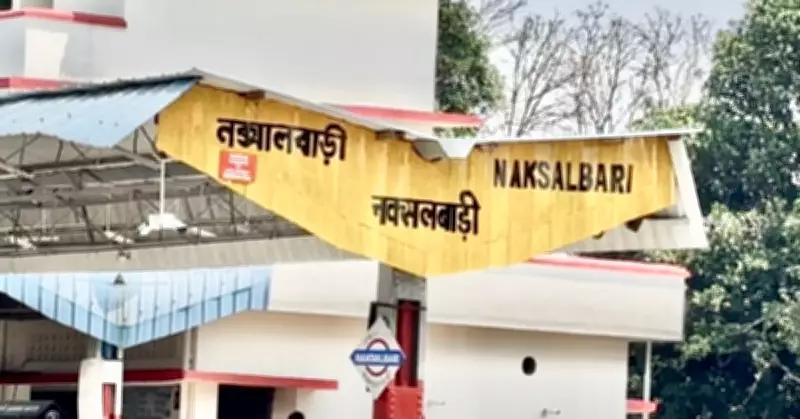
In a significant political development, the Naxalbari constituency in West Bengal, long regarded as the cradle of the Naxalite movement, is now being painted in saffron hues as the Bharatiya Janata Party (BJP) intensifies its outreach efforts. This shift marks a pivotal moment in the region's history, coming almost five decades after the Indian state declared victory over Naxalism.
Historical Context and Current Dynamics
Naxalbari, with its substantial tribal population, has been a symbol of left-wing extremism since the 1960s. The area gained notoriety as the birthplace of the Naxalite insurgency, which advocated for radical agrarian reforms and armed struggle. Over the years, the state has worked to quell this movement, and now, in the lead-up to the 2026 West Bengal Assembly elections, political dynamics are evolving rapidly.
The BJP is actively wooing voters in this constituency, leveraging its national prominence and focusing on issues such as development, governance, and cultural identity. This strategic move aims to capitalize on the changing sentiments among the tribal communities, who have historically been aligned with leftist ideologies.

Implications for West Bengal Politics
This transformation in Naxalbari could have far-reaching consequences for West Bengal's political landscape. As the BJP makes inroads into areas once dominated by leftist forces, it challenges the traditional strongholds of parties like the Trinamool Congress and the Left Front. The 2026 elections are poised to be a battleground where historical legacies meet contemporary political strategies.
Experts suggest that the BJP's focus on Naxalbari is part of a broader plan to expand its influence in West Bengal, a state where it has been gaining traction in recent years. By engaging with tribal voters and addressing their concerns, the party hopes to secure a foothold in this historically significant region.
Key factors driving this shift include:
- Economic development initiatives aimed at improving infrastructure and livelihoods in tribal areas.
- Cultural outreach programs that resonate with local traditions and identities.
- Political realignments as voters seek alternatives to established regional parties.
As the election campaign heats up, all eyes will be on Naxalbari to see how this saffron wave unfolds and whether it can translate into electoral success for the BJP. The outcome may redefine the political narrative in West Bengal, highlighting the ongoing evolution of India's democratic processes.