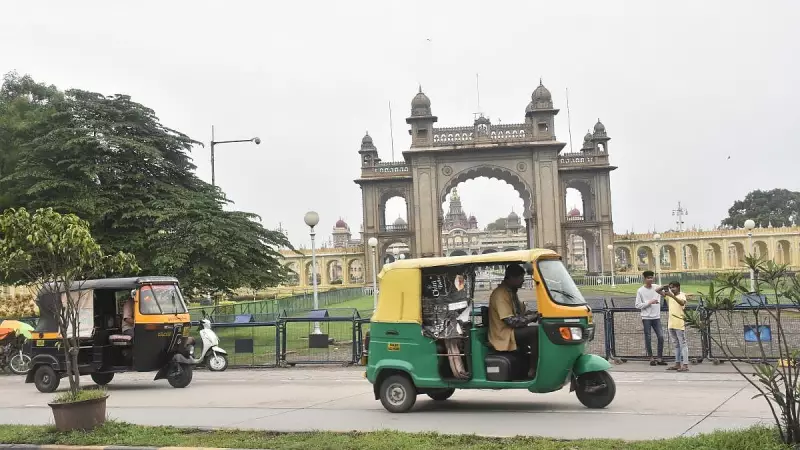
A gas cylinder explosion near the historic Mysuru Palace has concluded its immediate hospital chapter, with all three injured individuals now discharged. The tragic incident also saw the bodies of the deceased handed over to their grieving families.
Hospital Provides Update on Patient Status
The Dean and Director of Mysore Medical College and Research Institute, Dr K R Dakshayini, provided a crucial update on Saturday, 27 December 2025. She confirmed that the last of the injured, Shahina Shaber, 54, from Kolkata, has been released from medical care. Shaber was being treated for injuries sustained to her right leg in the blast.
Details of the Incident and Aftermath
The blast, which occurred in close proximity to the iconic Mysuru Palace, resulted in casualties and injuries. While the original report did not specify the number of fatalities, it confirmed that the process of handing over the bodies to the next of kin has been completed. This step marks a somber phase in the aftermath of the explosion, allowing families to proceed with final rites.
The discharge of all three injured persons, including Shahina Shaber, indicates that their conditions were stabilized and deemed suitable for recovery outside the hospital. The medical team at Mysore Medical College and Research Institute managed their treatment following the emergency.
Community and Administrative Response
Incidents like the cylinder blast near Mysuru Palace often prompt reviews of safety protocols for handling cooking gas in crowded and heritage areas. The location of the explosion, a major tourist and cultural hub, raises significant concerns about public safety measures. Local authorities are likely to investigate the exact cause of the cylinder failure to prevent similar tragedies in the future.
The community in Mysuru, along with the administration, now faces the dual task of supporting the affected families while ensuring such hazardous events are mitigated. The swift medical response and subsequent discharge of patients highlight the efficiency of the local healthcare system in dealing with such emergencies.