Murder-Accused Candidate Triumphs in Jalna Municipal Polls
In a surprising turn of events, Shrikant Pangarkar has won his seat in the Jalna Municipal Corporation elections. This victory comes despite serious allegations against him. Pangarkar faces accusations related to the murder of a journalist, a case that has drawn significant public attention.
Election Results Stir Controversy
The election results have ignited a fierce debate across Maharashtra. Many voters and political observers express shock and concern. They question how a candidate with such grave charges could secure a win. The outcome raises important issues about the electoral process and candidate eligibility.
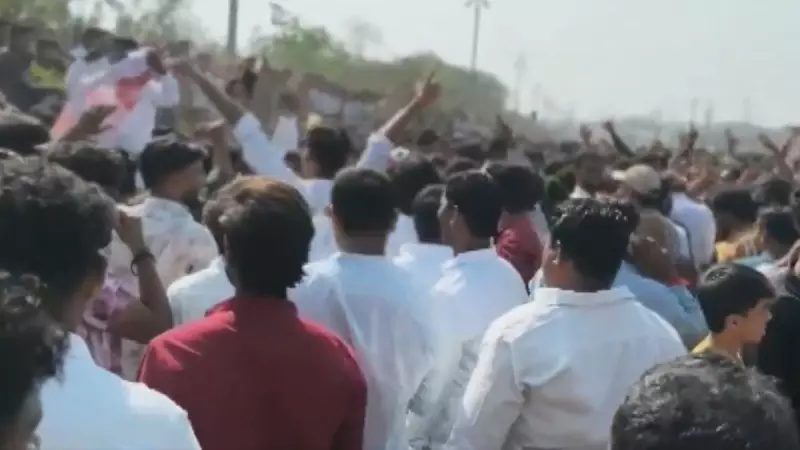
Local residents report mixed reactions to Pangarkar's victory. Some supporters celebrate his success, citing his previous work in the community. Others voice strong opposition, demanding accountability and justice in the journalist's murder case. The divisive nature of this election result is evident.

Background of the Case
Shrikant Pangarkar's involvement in the journalist murder case dates back several months. Authorities have charged him in connection with the crime, though legal proceedings continue. The case has been a focal point in local media, highlighting tensions between political figures and the press.
Despite these serious allegations, Pangarkar decided to contest the municipal elections. His campaign focused on local development issues and promises of improved civic amenities. This strategy appears to have resonated with a segment of the electorate, leading to his electoral success.
Political and Legal Implications
This victory poses significant questions for Maharashtra's political landscape. It challenges norms around candidate selection and public trust. Legal experts note that Pangarkar's position may be precarious if court rulings go against him in the future.
The election commission faces scrutiny over its handling of such cases. Critics argue for stricter vetting of candidates with criminal backgrounds. Proponents of democratic principles emphasize the importance of voter choice, even in controversial circumstances.
Public Reaction and Future Outlook
Public discourse surrounding this event remains heated. Social media platforms buzz with opinions, both supporting and condemning the result. Civil society groups plan protests and awareness campaigns to highlight their concerns.
Looking ahead, Pangarkar's tenure as a municipal corporator will be closely watched. His ability to govern effectively under these circumstances remains uncertain. The ongoing legal case adds a layer of complexity to his political future.
This incident underscores broader issues in Indian politics. It reflects challenges in balancing legal accountability with electoral democracy. The Jalna Municipal Corporation election result serves as a stark reminder of these enduring tensions.