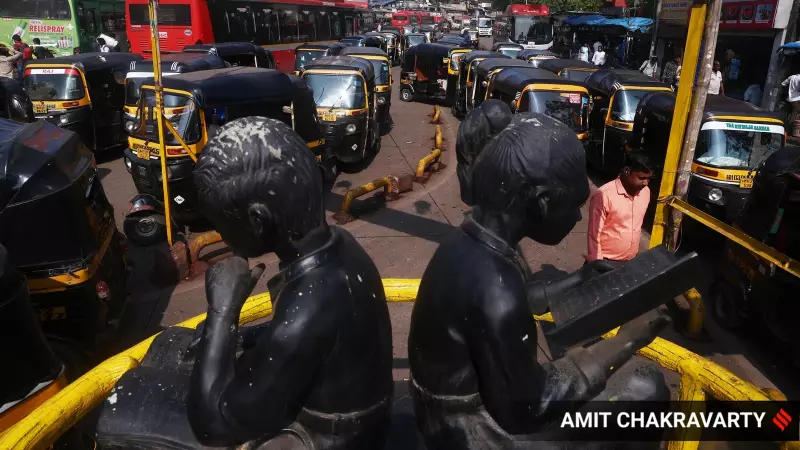
Mumbai's L ward, a sprawling administrative zone with a population exceeding 7.5 lakh, presents a stark urban paradox. Stretching from the cramped slums of Kurla and Sakinaka to the upscale high-rises of Chandivali and Powai, this area encapsulates the city's most pressing civic challenges. As the political landscape shifts ahead of the 2026 elections, residents across the economic spectrum voice a common frustration: years of neglect and unfulfilled promises.
A Tale of Two Realities: Common Woes, Unequal Burdens
The ward's issues are universal, yet their impact varies dramatically. In the slum areas, inadequate drainage and poor garbage collection systems turn every monsoon into a nightmare of waterlogging. This stagnant water, often mixed with sewage, becomes a breeding ground for vector-borne diseases like malaria and dengue. "Irregular cleaning of drains and poor solid waste management leads to massive waterlogging," confirms Anil Galgali, a local resident, highlighting the public health emergency.
Meanwhile, the more affluent sections living in towering apartments are not spared. They grapple daily with severe traffic congestion, illegal hoardings, deteriorating roads, and industrial pollution. The situation in Chandivali is particularly telling, where even an active citizenry has struggled to effect change. Arun Srivastava, who approached the Bombay High Court against pollution from metal-smelting bhattis on Kherani Road, states, "We have held meetings with almost all top officials... but it never has [made a difference]. Getting the high court’s intervention has made very little difference."
Chronic Infrastructure Gaps and Political Musical Chairs
One of the most persistent problems is the incomplete Development Plan (DP) road network. A crucial alternate road out of Chandivali and a 90-foot road connecting JVLR and Sakinaka remain unfinished, with work stalled for years. "The tender of the DP road was floated around two years ago, but work has not begun," reveals Mandeep Singh Makkar, founder of the Chandivali Citizens Welfare Association (CCWA).
The political representation of the ward has been fragmented, with corporators from the BJP, NCP, and Congress. Post the split in the Shiv Sena, a new dynamic has emerged, with former Sena corporators like Asha Tayde and Akanksha Shetye now contesting on BJP tickets. Kaptan Malik, a former NCP corporator, criticizes the lack of progress: "Much of the L ward has stayed just as it was since 2012, with elected representatives not taking any steps to improve the situation."
Citizen Response and a Cynical Electorate
Faced with systemic inaction, citizens are taking novel steps. The CCWA has decided to appoint 'shadow corporators' to monitor the work of elected representatives. The list of complaints is long and familiar across Mumbai: absence of a fire brigade, illegal banners, hawker encroachments, and parked cars that choke already narrow roads.
A deep-seated cynicism pervades the electorate. Many residents, like Makkar, believe the ward tends to vote for the party in power at the state or civic level, purely to access development funds. "If we vote for the Opposition, we won’t even get that and our ward will be worse off," he admits, despite acknowledging the ruling party's previous track record was not promising. This cycle, coupled with political dynasties fielding women family members, often sidelines newer candidates and fresh perspectives.
As Mumbai's L ward heads towards another election, its over 7.5 lakh residents are united by a shared plight of civic neglect. The contrasting landscapes of slums and skyscrapers are bound together by the common threads of garbage-lined streets, traffic gridlock, and a desperate hope for change that has remained elusive for over a decade.