Mumbai-Pune Expressway Trip Turns Into 8-Hour Traffic Nightmare
What began as a promising journey from Mumbai to Pune at around 9 am, anticipating a smooth three-hour ride on India's first six-lane expressway, quickly descended into chaos and frustration. The ordeal unfolded shortly after crossing the Bhatan tunnel, where the expected comfort of modern infrastructure gave way to a harrowing reality of gridlock and confusion.
Sudden Halt and U-Turn Confusion
Vehicles ahead were abruptly asked to halt, creating an immediate sense of unease. Adding to the perplexity, several cars were observed returning on the Pune-bound carriageway, even though the Mumbai-bound side appeared relatively free. This contradictory sight left commuters bewildered, as the situation deviated sharply from the anticipated seamless travel experience.
As traffic inched forward at a painfully slow pace, more vehicles began executing U-turns, exacerbating the confusion and frustration among travelers who remained clueless about the underlying cause of the disruption. The lack of clear information only intensified the growing sense of helplessness on the road.

Police Intervention and Diversion to Old Highway
The mystery was partially resolved when a police van arrived on the scene. Officers instructed drivers to take a U-turn and reroute via the Old Mumbai-Pune Highway. The reason for this drastic diversion was the ongoing clearance operation of an overturned propylene-carrying tanker in the Khandala Ghat section, an incident that had occurred on February 3 and remained unresolved.
Following the police directive, vehicles turned back towards Panvel and entered the old highway. Initially, the road seemed relatively clear, offering a glimmer of hope for a smoother alternative route. However, this relief was short-lived as the journey approached Khopoli.
Snail-Paced Jam and Overheating Vehicles
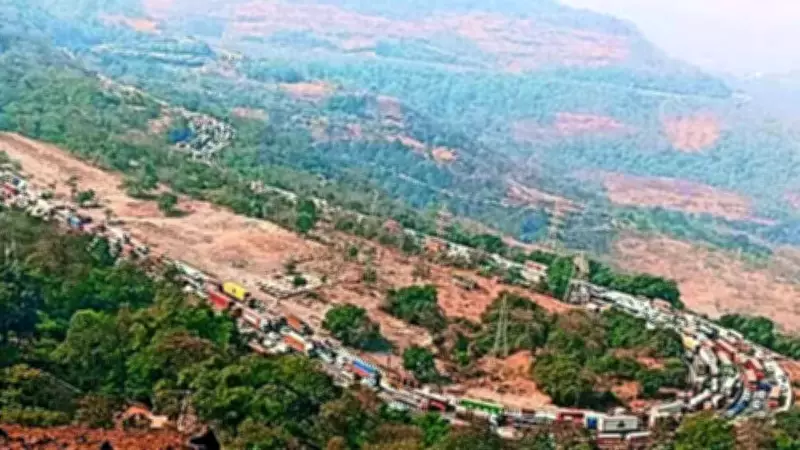
At Khopoli, commuters encountered another severe traffic jam, where movement slowed to a snail's pace for nearly three agonizing hours. The endless delay took a toll on both vehicles and passengers. Several cars overheated due to the prolonged idling, adding mechanical breakdowns to the already chaotic situation and highlighting the physical strain of such extended gridlocks.
In an attempt to seek clarity, travelers contacted the traffic helpline (98224-98224). They were informed that vehicles on the ghat were being managed in a phased manner. Traffic police were allowing Mumbai-bound vehicles to travel in a single file on the Pune-bound carriageway, as officials continued efforts to contain the propylene gas spillage, necessitating the closure of the Mumbai-bound carriageway.
Urgent Need for Real-Time Traffic Advisories
This incident underscores a critical gap in traffic management systems: the urgent need for real-time, frequent traffic advisories. Effective communication through SMS, dedicated apps, and social media platforms could empower travelers to make informed decisions, potentially avoiding entrapment in such crises. The absence of timely updates left many unprepared for the extensive delays, contributing to the overall chaos.
Traffic Police Efforts and Commuter Resilience
Despite the mayhem, traffic police demonstrated commendable dedication by guiding vehicles at every juncture along the ghat and assisting commuters whose cars had broken down. Their presence provided a semblance of order amidst the disorder.
In a heartening display of community support, police officials were seen purchasing water bottles and snacks in bulk, distributing them to anxious passengers. Luxury buses full of travelers heading towards Mumbai waited patiently, with some passengers even making light of the difficult situation by sitting on the road and playing cards, showcasing human resilience in the face of adversity.
This experience serves as a stark reminder of the vulnerabilities in our transportation networks and the importance of robust emergency response mechanisms. While infrastructure like the Mumbai-Pune Expressway offers modern convenience, incidents like the overturned tanker reveal how quickly travel plans can unravel, emphasizing the need for improved safety protocols and communication strategies to mitigate future disruptions.