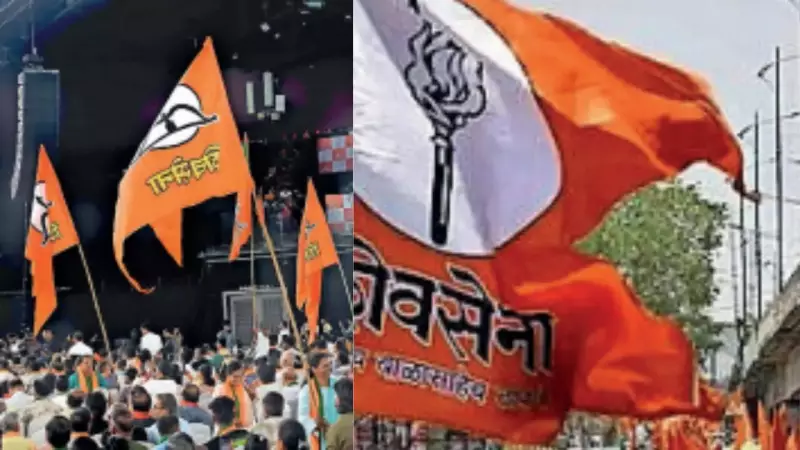
The upcoming Brihanmumbai Municipal Corporation (BMC) election, scheduled for January 15, is shaping up to be another decisive chapter in the ongoing political rivalry between the two Shiv Sena factions. Following the Lok Sabha and state assembly polls, where the Uddhav Thackeray-led Shiv Sena (UBT) gained an edge in Mumbai, the civic polls are now viewed as a critical popularity test for the competing claims to the Sena legacy.
The Thackeray Alliance Takes on Shinde's Sena
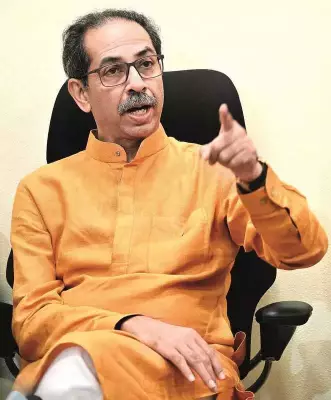
In a significant development, Shiv Sena (UBT) chief Uddhav Thackeray has joined forces with Maharashtra Navnirman Sena (MNS) chief Raj Thackeray. This alliance sets the stage for a direct confrontation with Chief Minister Eknath Shinde's Shiv Sena across a large number of wards. Shiv Sena (UBT) will face off against Shinde's Sena in 69 electoral seats, while the MNS will challenge the Shinde faction in another 18 seats. This means Mumbai voters will witness a Thackeray vs Shinde contest in a total of 87 wards.
Political observers state that the outcome will not only determine which group commands the traditional Sena voter base in the financial capital but will also serve as a referendum on the enduring appeal of the "Thackeray brand" in the city's politics.

Complex Electoral Equations and Key Numbers
Unlike the recent state and national elections, the BMC polls will feature more multi-cornered fights. This is because the Congress and the Sharad Pawar-led NCP (SP) are not part of the major alliances contesting the civic body elections. Of the 227 BMC seats, Shiv Sena (UBT) will compete against the BJP in 97 seats.
The seat distribution highlights the strategic positioning of each party:
- Shiv Sena (UBT): Contesting 163 seats.
- Maharashtra Navnirman Sena (MNS): Contesting 53 seats.
- Bharatiya Janata Party (BJP): Fighting on 137 seats.
- Shinde's Shiv Sena: Contesting 90 seats.
Additionally, the BJP and MNS will clash directly in 35 wards, while the ruling Mahayuti alliance will face the NCP (SP) in 8 seats.
Past Performance and Future Stakes
The momentum appears to be with the Uddhav Thackeray camp if recent electoral history is any indicator. During the Maharashtra assembly elections, the two Sena factions contested against each other in 10 Mumbai seats. Shiv Sena (UBT) emerged victorious in seven of those contests, demonstrating stronger grassroots support in the city.
The BMC, India's richest municipal corporation, controls a massive budget and crucial civic infrastructure. Winning control is paramount for any party aiming to solidify its influence in Maharashtra's political landscape. The January 15 election is therefore more than just a civic poll; it is a high-stakes battle for political supremacy and the rightful claim to the Shiv Sena's identity in its traditional stronghold.