Mumbai Voters Embrace BJP's Triple Engine Vision in Civic Polls
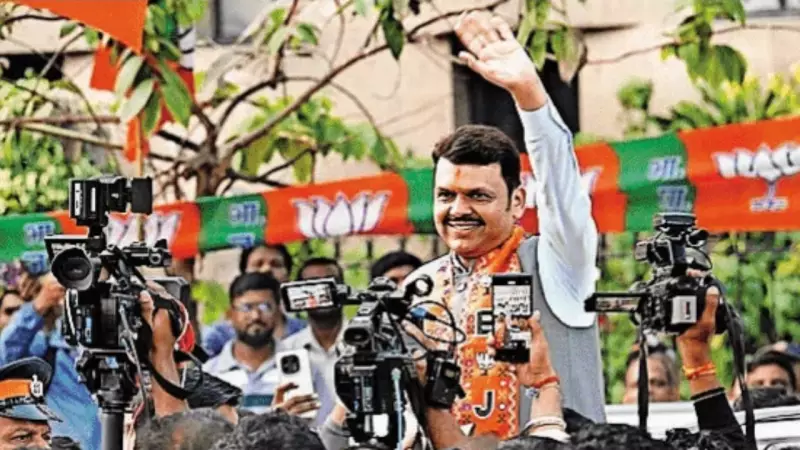
Voters in Mumbai, India's financial capital, have clearly responded to the Bharatiya Janata Party's appeal for a "triple engine sarkar." This concept promises seamless governance with the BJP holding power at the central, state, and city levels. The party's message of delivering results without bureaucratic hurdles resonated across many parts of the city.
BJP's Development Pitch Outshines Identity Politics
The BJP's combined plank of Hindutva and development gained wider traction than the Thackeray alliance's focus on Marathi identity and pride. Following the results, BJP MLA and Assembly Speaker Rahul Narwekar confidently announced that the next mayor of Mumbai will come from his party. Deputy Chief Minister Eknath Shinde emphasized their priorities, stating they are more interested in making a tangible difference in the lives of Mumbaikars than in securing power or posts.
Thackeray Alliance Holds Ground in Traditional Strongholds
Despite the BJP's strong performance, the Thackeray combine managed to retain a creditable hold on its core Marathi vote base. They outperformed Shinde's Shiv Sena faction, winning more than twice the number of seats. Key central Mumbai areas like Dadar, Lalbaug, Parel, Sewri, and Worli remained loyal to the Thackeray cousins. In a notable contest in Worli, Shinde's candidate Samadhan Sarvankar lost to Shiv Sena UBT's Nishikant Shinde.

Congress Slips, MIM Makes Gains in Minority Wards
The Congress party, which chose not to form an alliance with the Maha Vikas Aghadi partners, secured only 24 seats. This marks a decline from their tally of 31 seats in the 2017 civic elections. Meanwhile, Asaduddin Owaisi's All India Majlis-e-Ittehadul Muslimeen improved its performance significantly, increasing its count from 2 to 8 seats. The MIM succeeded in defeating the Samajwadi Party in wards with substantial minority populations.
BJP Relies on Ally to Cross Majority Mark
Even with an impressive showing, the BJP still required support from its ally to cross the crucial halfway mark of 114 seats in the civic body. Eknath Shinde, known for driving hard bargains, could now demand key positions such as the chairperson of the standing committee. This committee holds significant power as it makes major financial decisions for the municipal corporation.
Broader Political Implications and Realignments
The verdict's impact will extend far beyond this single election. With a national party's influence now running across all three tiers of government, regional parties may find it increasingly difficult to stay relevant and challenge the BJP's dominance. Political analysts predict several potential realignments. Raj Thackeray and Uddhav Thackeray might choose to stay together for future contests.
Shinde has emerged as a stronger ally for the BJP, raising questions about the long-term utility of other partners like Ajit Pawar. Notably, even after joining his uncle Sharad Pawar, Ajit lost to the BJP in both Pune and Pimpri-Chinchwad municipal elections.
Analysts Weigh In on Vote Patterns and Alliances
Political observers note that Shiv Sena UBT successfully held its traditional strongholds within Mumbai but lost its grip in the wider Mumbai Metropolitan Region. Many believe the party could have performed better if Congress had joined hands with them. Analyst Abhay Deshpande pointed out that UBT gained from the Maharashtra Navnirman Sena through the consolidation of Marathi votes. However, this alliance likely cost them support from Muslim and north Indian voters.
The BJP, in contrast, appealed to a broader coalition that included Gujaratis, Marwaris, and both north and south Indian communities residing in Mumbai. This diverse support base contributed significantly to their electoral success.