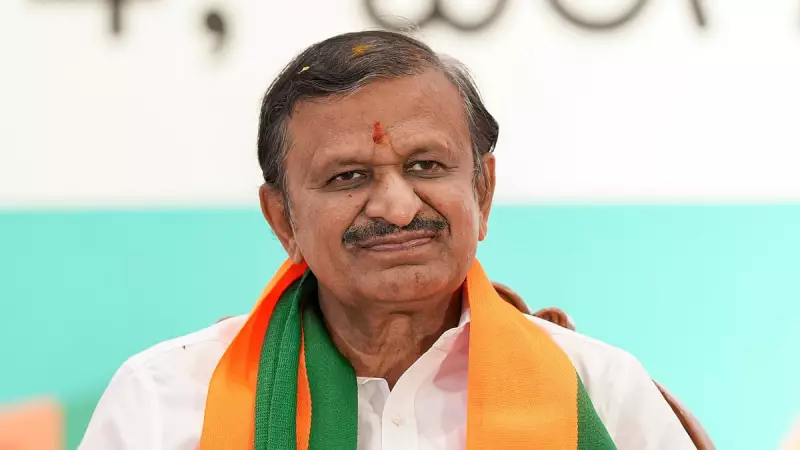
In a significant intervention in the Lok Sabha, a Bharatiya Janata Party (BJP) Member of Parliament has raised a pressing demand for justice for landowners affected by a major infrastructure project in Karnataka. The MP has called for appropriate compensation for those who surrendered their plots for the construction of the Satellite Town Ring Road (STRR).
Parliamentary Intervention for Landowners
Raising the issue during a session, the parliamentarian highlighted what he described as an unresolved grievance. Dr C N Manjunath, the BJP MP, brought the matter to the attention of the House, emphasizing the need to address the concerns of the individuals and families whose land was taken over for the public project. He underscored that providing fair compensation is not just a legal formality but a moral obligation towards citizens who contribute to national development.
Scale of the Land Acquisition
The core of the issue lies in the substantial amount of land acquired for the ambitious ring road project. According to the details presented in Parliament, approximately 2,200 acres of land were acquired in the year 2021. This large-scale acquisition was necessary to pave the way for the Satellite Town Ring Road, a project designed to improve connectivity and decongest traffic around urban centers in the region. However, the MP's statement suggests that the process of compensating the original landowners for this significant acquisition remains incomplete or unsatisfactory.
Project Details and Ongoing Implications
The Satellite Town Ring Road project is a critical piece of infrastructure for Karnataka's growth. While the project promises long-term benefits in terms of transportation and economic activity, the immediate impact on those who owned the land has sparked this political appeal. The call for action, made on December 04, 2025, puts the spotlight back on the often-contentious process of land acquisition for development works. The MP's move is likely to increase pressure on the concerned authorities to re-examine the compensation packages and ensure they are disbursed promptly and fairly, aligning with the relevant laws and regulations.
The development brings to the fore several key questions regarding infrastructure development:
- The balance between public necessity and private property rights.
- The mechanisms for determining and delivering timely and adequate compensation.
- The role of elected representatives in advocating for their constituents in such matters.
This parliamentary appeal marks a crucial step in keeping the administration accountable. It ensures that the human cost of large projects is not overlooked in the pursuit of progress. The outcome of this demand will be closely watched by stakeholders and could set a precedent for how similar cases are handled in the future.