

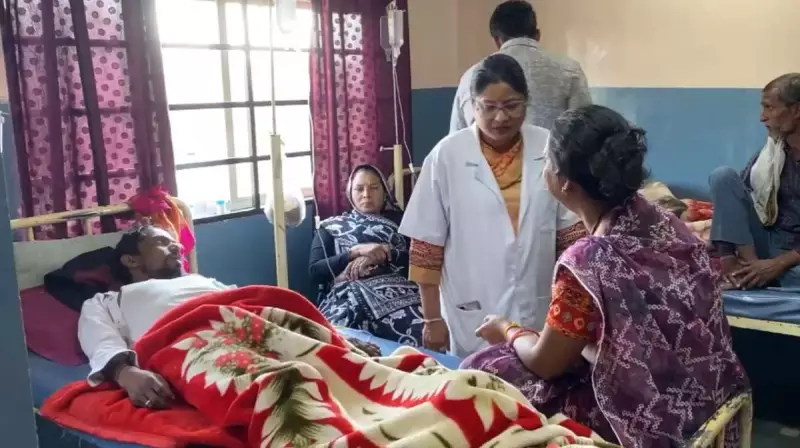
The Madhya Pradesh High Court has delivered a sharp rebuke to the state government following a tragic incident in Indore that resulted in multiple deaths. The court stated that the event has severely tarnished the image of Indore, a city renowned for its cleanliness, across the entire nation.
Court's Stern Observations on Government Failure
During the hearing on Monday, January 6, 2025, the division bench of Justices Vivek Rusia and Rajendra Kumar Verma expressed deep displeasure with the handling of the situation. The bench did not mince words, highlighting a clear failure in administrative and safety protocols that led to the fatalities.
The court emphasized that such incidents should not occur in a city that has consistently been awarded the title of India's cleanest city. The judges pointed out that the negligence has not only cost lives but has also inflicted significant reputational damage on Indore at a national level.

Details of the Indore Incident
While the specific URL provided does not detail the nature of the incident, the High Court's remarks confirm a serious lapse leading to loss of life. The court's intervention suggests the incident was preventable and stemmed from systemic failures. The bench has demanded accountability and a thorough explanation from the state authorities regarding the steps that were, or were not, taken to ensure public safety.
The hearing has put the Madhya Pradesh government, led by Chief Minister Mohan Yadav, in the spotlight. The court's reprimand signals judicial scrutiny over the executive's role in maintaining civic safety and infrastructure standards in urban centers.
Broader Implications and Next Steps
The High Court's strong stance sets a precedent for holding state administrations accountable for public safety disasters. By stating that the city's image is "damaged nationwide," the court has framed the incident as a matter of regional and national shame, elevating its significance beyond a local tragedy.
The court is expected to continue monitoring the case closely. It has likely directed the state government to:
- Submit a detailed report on the causes of the incident.
- Outline the immediate relief provided to victims' families.
- Present a concrete action plan to prevent such tragedies in the future.
This judicial push aims to ensure that corrective measures are implemented swiftly and that responsibility is fixed. The incident serves as a stark reminder of the consequences of administrative complacency, even in award-winning cities.
The outcome of this case will be closely watched, as it underscores the critical balance between urban development accolades and the fundamental duty of the state to protect the lives of its citizens.






