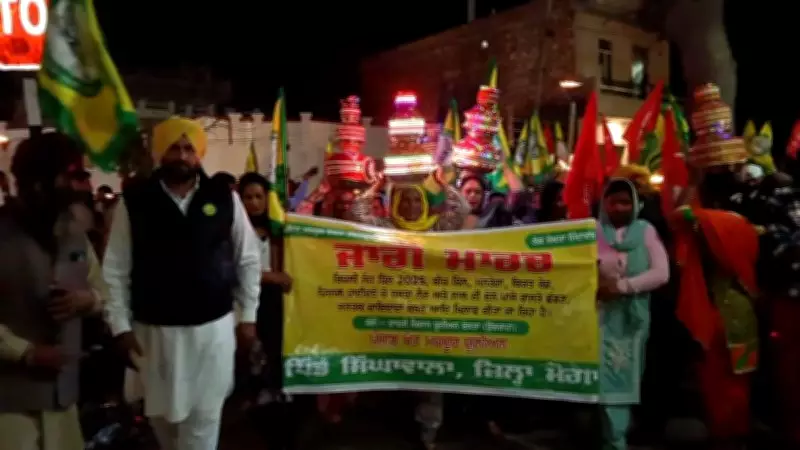
Farmers in Moga Village Conduct 'Jaago March' in Unique Protest Against Government Policies
In a distinctive display of dissent, farmers from Moga village in Punjab have organized a 'Jaago March' to voice their opposition to current government agricultural policies. This protest, characterized by its peaceful and symbolic nature, underscores the growing unrest among rural communities over perceived inadequacies in policy frameworks affecting the farming sector.
Details of the Jaago March Protest
The Jaago March, which translates to 'Awakening March,' was held in Moga village as a form of unique protest against government policies that farmers argue are detrimental to their livelihoods. Participants, including local farmers and agricultural workers, marched through the village streets, carrying placards and chanting slogans to draw attention to their demands for policy reforms. The event aimed to raise awareness about issues such as crop pricing, subsidies, and support mechanisms, which they claim have been neglected in recent government initiatives.
Key aspects of the protest include:

- Peaceful Demonstration: The march was conducted in a non-violent manner, emphasizing dialogue and civic engagement over confrontation.
- Community Involvement: It saw widespread participation from villagers, highlighting collective concerns over agricultural policies.
- Symbolic Action: The term 'Jaago' signifies a call to awaken authorities and the public to the challenges faced by farmers.
Background and Context of the Protest
This protest in Moga village is part of a broader wave of farmer activism in Punjab and across India, where agricultural communities have been vocal about their dissatisfaction with government policies. Farmers have long raised concerns over issues like minimum support prices (MSP), loan waivers, and market access, which they believe are not adequately addressed in policy decisions. The Jaago March serves as a localized effort to amplify these voices at the grassroots level, reflecting a trend of rural mobilization against perceived policy failures.
Factors contributing to the protest:
- Perceived lack of government responsiveness to farmer demands in recent policy announcements.
- Economic pressures from fluctuating crop yields and input costs affecting farm incomes.
- Historical context of farmer protests in Punjab, known for its active agricultural advocacy.
Implications and Future Outlook
The Jaago March in Moga village highlights the ongoing tensions between farmers and policymakers, with potential implications for agricultural governance and rural stability. If unaddressed, such protests could escalate, leading to broader movements or policy negotiations. Experts suggest that this event may prompt government authorities to reconsider their approach to agricultural reforms, potentially fostering dialogue to address farmer grievances. The protest underscores the need for inclusive policy-making that considers the perspectives of farming communities to ensure sustainable agricultural development.
In summary, the unique Jaago March by farmers in Moga village represents a significant act of protest against government policies, emphasizing rural discontent and the demand for meaningful reforms in the agricultural sector.