Karnataka Minorities Express Frustration Over Grave Cemetery Shortage
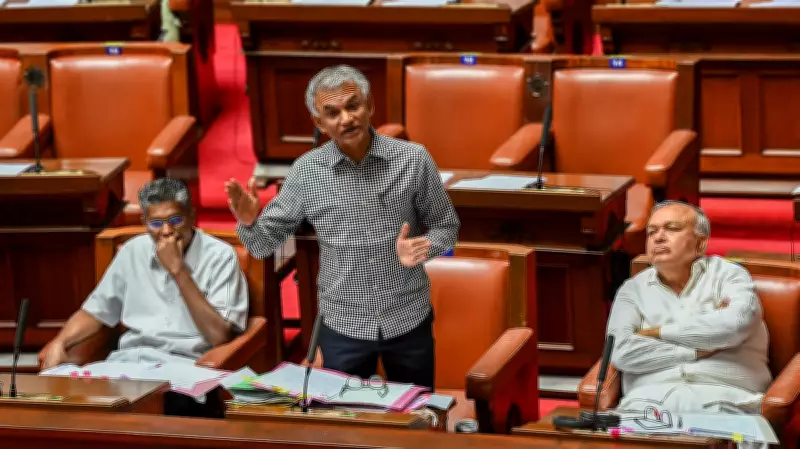
In a stark revelation, Karnataka minister Krishna Byre Gowda has highlighted a growing crisis of cemetery shortages affecting minority communities across the state. The issue has sparked significant anger and concern among these groups, who feel neglected by government policies regarding burial grounds.
Minister Gowda Details the Alarming Situation
Speaking on the matter, Krishna Byre Gowda pointed out the severe lack of space for cemeteries, particularly around the bustling metropolitan area of Bengaluru. "Among Hindus, there are those who bury and burn their dead. Around Bengaluru, those who used to bury have started to burn because there’s no space for cemeteries," Gowda stated. This shift in funeral practices underscores the desperation faced by communities as traditional burial options vanish.
Impact on Funeral Traditions and Community Sentiment
The shortage of cemeteries is not just a logistical problem but a cultural and emotional one. For many minority groups, burial is a deeply rooted tradition, and the inability to access proper grounds has led to:
- Forced changes in funeral rites, such as switching from burial to cremation.
- Increased frustration and anger towards government authorities for perceived inaction.
- Potential long-term effects on community cohesion and religious practices.
This crisis highlights broader issues of urban planning and resource allocation in rapidly growing cities like Bengaluru, where land scarcity exacerbates social tensions.
Government Response and Future Implications
While Gowda's comments bring attention to the problem, the response from the government remains under scrutiny. The situation raises questions about:
- How Karnataka plans to address the immediate need for more burial spaces.
- The long-term strategies for managing land use in urban areas to accommodate diverse cultural needs.
- The potential for this issue to influence political dynamics and public trust in governance.
As communities voice their discontent, the pressure mounts on policymakers to find sustainable solutions that respect religious and cultural sensitivities while tackling practical challenges.