Kerala, a state celebrated for its exceptional social development, high literacy, and strong welfare traditions, faces a profound contradiction. A recent brutal incident has exposed a deep chasm between its progressive image and the grim reality for the interstate migrant workers who form the backbone of its economy.
A Life Rendered Disposable in Attappallam
In a shocking event at Attappallam in Palakkad district, a 31-year-old man from Bilaspur, Chhattisgarh, was brutally beaten to death based solely on suspicion of theft. The Walayar police later confirmed that no robbery had occurred. Five local men have been arrested for the murder, highlighting a disturbing trend of violent mob attacks against migrant labourers in the state.
This tragedy underscores a critical gap. While Kerala's human development indicators are lauded nationally, its ability to protect the very workers who sustain key economic sectors is severely lacking. Migrants from states like West Bengal, Assam, Odisha, Bihar, Jharkhand, and Uttar Pradesh are indispensable in construction, factories, hospitality, sanitation, and care work—areas where local labour is scarce. Yet, their economic centrality has not translated into social belonging, legal security, or political accountability.

The Limits of Symbolic Inclusion
The state government has acknowledged these workers, terming them 'athidhi thozhilali' (guest workers), and has launched welfare schemes like the Athidhi portal, Jyothi education scheme, and Awaz health insurance. However, this symbolic vocabulary of inclusion and fragmented initiatives are insufficient without robust, enforceable legal safeguards.
In practice, interstate migrants in Kerala confront significant barriers:
- Linguistic hurdles in accessing healthcare, education, and police services.
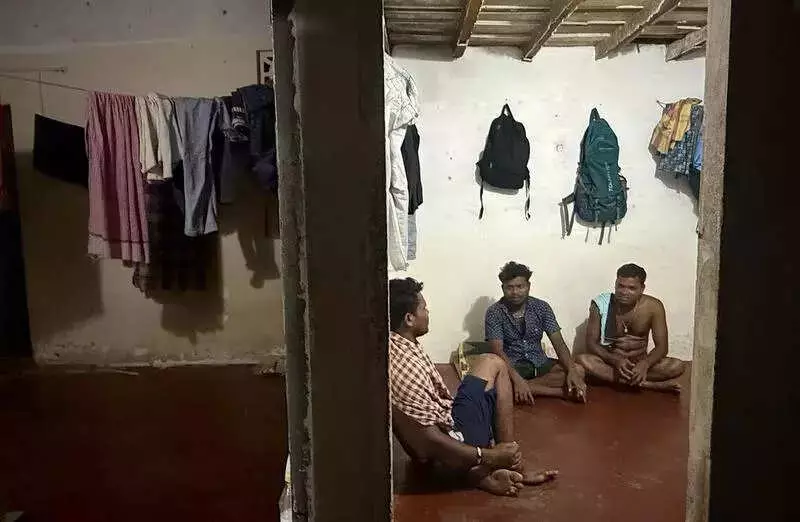
- Overcrowded, segregated housing often controlled by contractors.
- Welfare schemes dependent on employer compliance, with complex registration systems many migrants cannot navigate.
- Weak labour inspections, leaving wage theft and unsafe conditions unpunished.
- Ineffective grievance redressal mechanisms, compounded by fear of police and language issues.
They become easy targets for rumours on social media, facing daily discrimination and 'othering' in public spaces and workplaces. Policies remain scattered across departments, allowing responsibility to be deferred. Crucially, mob violence is often treated as an isolated crime, not a systemic failure.
From Rhetoric to Enforceable Rights
Genuinely upholding Kerala's egalitarian ethos requires moving beyond rhetoric. Strengthening Section 103(2) of the Bharatiya Nyaya Sanhita, 2023, concerning mob lynching, is critical. The state must implement firm measures to prevent, respond to, and document such violence, mandating accountability for district administrations and police.
Protecting migrants is a constitutional obligation, not benevolence. The term 'guest,' while suggesting care, implies temporariness. The challenge is not a lack of progressive intent but the absence of sustained institutional mechanisms.
A shift is urgently needed to recognize migrants as rights-bearing members of society, not a disposable labour force. This involves:
- Strengthening existing schemes with transparent data and monitoring.
- Ensuring effective registration and portable social security.
- Urban planning to prevent ghettoisation.
- Creating avenues for social and civic participation without forcing assimilation.
- Including migrant voices directly in policy conversations.
The Palakkad lynching is a grim reminder. For Kerala to bridge its celebrated ideals with ground reality, it must institutionalize frameworks that guarantee dignity, safety, and justice for every worker, affirming that all lives hold equal value.