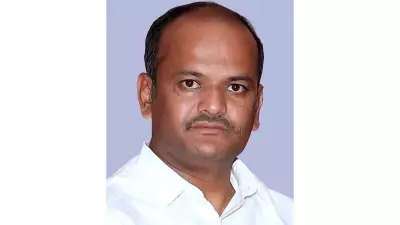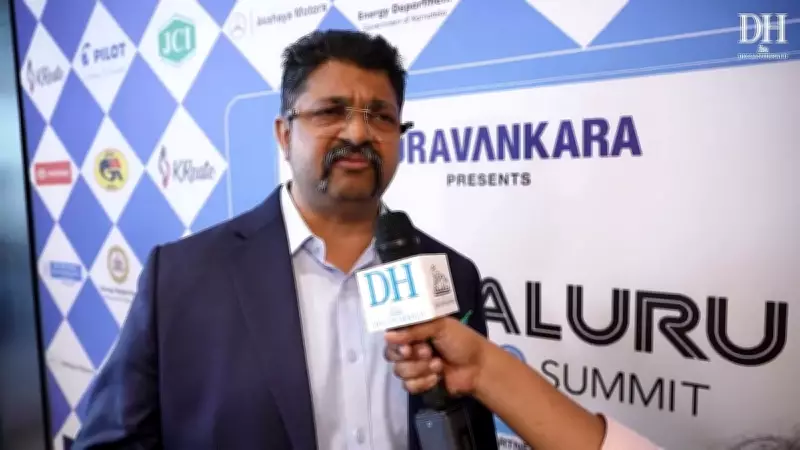
Karnataka Minister Manish Deshmukh Forecasts the End of Bengaluru's Traffic Nightmares
In a bold declaration that has captured the attention of millions of commuters, Karnataka Minister Manish Deshmukh has predicted the imminent end to Bengaluru's infamous traffic jams. The minister outlined a multi-faceted plan aimed at transforming the city's chaotic road networks into models of efficiency and smooth mobility.
Comprehensive Strategy to Tackle Congestion
Deshmukh revealed that the state government is implementing a series of targeted interventions designed to address the root causes of traffic congestion. This includes the expansion of public transportation systems, the introduction of smart traffic management technologies, and the development of new road infrastructure projects. The minister emphasized that these measures are part of a holistic approach to urban planning, which prioritizes sustainable and accessible mobility for all residents.
Key components of the plan involve:

- Enhancing the frequency and coverage of metro rail and bus services to reduce reliance on private vehicles.
- Deploying advanced AI-based traffic signal systems to optimize flow and minimize delays at intersections.
- Accelerating the completion of ongoing flyover and underpass constructions to alleviate bottlenecks.
- Promoting non-motorized transport options like cycling and walking through dedicated lanes and pedestrian-friendly zones.
Timeline and Expected Outcomes
Minister Deshmukh expressed confidence that noticeable improvements will be visible within the next few months, with a significant reduction in traffic snarls expected by the end of the year. He highlighted that the government is committed to monitoring progress through real-time data analytics and community feedback mechanisms. This proactive stance aims to ensure that the initiatives are effectively implemented and adjusted as needed to meet the dynamic challenges of Bengaluru's growing population.
The minister's announcement comes at a critical time when traffic congestion has become a major concern affecting daily life, economic productivity, and environmental quality in the city. By addressing both infrastructure deficits and behavioral patterns, the plan seeks to create a more livable and efficient urban environment.
Public and Expert Reactions
While many citizens have welcomed the minister's optimistic forecast, some urban planners and commuters remain cautiously optimistic, citing past delays and implementation hurdles. However, Deshmukh assured that the government is leveraging lessons from previous projects and incorporating best practices from global cities to ensure success. The initiative also includes partnerships with private sector stakeholders and technology firms to drive innovation in traffic management solutions.
As Bengaluru continues to grapple with its reputation as one of India's most congested cities, this ambitious plan represents a significant step toward reclaiming its streets for smoother and more sustainable mobility. The coming months will be crucial in determining whether these predictions translate into tangible relief for the city's weary commuters.