Violent Clashes Erupt in Manipur Over Deputy CM Appointment
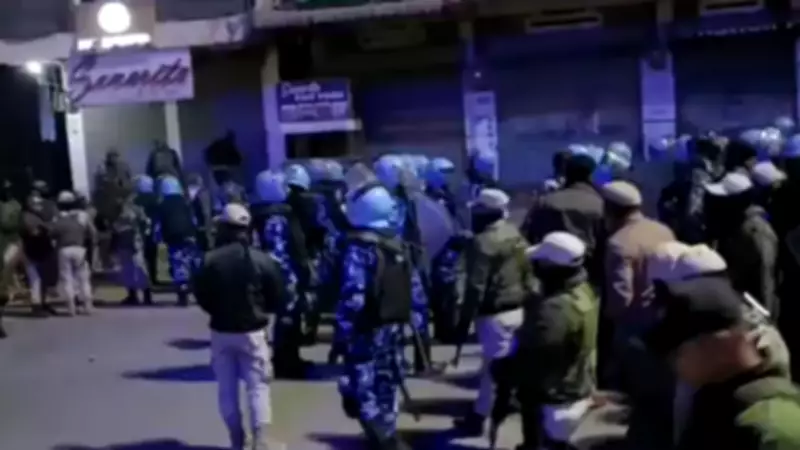
Violent confrontations erupted in Manipur's Churachandpur district on Thursday, resulting in approximately a dozen protesters sustaining injuries during clashes with security personnel. The unrest stems from growing resentment within the Kuki-Zo community regarding their elected representative, MLA Nemcha Kipgen, accepting the position of deputy chief minister within the reinstated NDA government led by Chief Minister Yumnam Khemchand Singh.
Community Backlash and Social Boycott
The influential Kuki Zo Council has taken a firm stance against any legislator from their community participating in the current state administration. In a significant move, the council declared a comprehensive social boycott targeting Kuki-Zo representatives who choose to join Chief Minister Khemchand Singh's government. This declaration came as initial discontent transformed into widespread public demonstrations across the region.
Protesters expressed their anger through various means, including burning tires and establishing road blockades in Kangpokpi district. The demonstrations signaled a troubling return to unrest following a period of relative calm throughout the hill areas. At least one activist group has called for a complete shutdown across Kuki-Zo majority regions, further escalating tensions.

Political Appointment Sparks Controversy
Nemcha Kipgen, who officially took her oath of office via videoconference from Delhi's Manipur Bhawan on Wednesday, represents one of two tribal deputies serving alongside Chief Minister Khemchand Singh. The other tribal representative is Naga MLA Losii Dikho. However, the Kuki Zo Council views Kipgen's acceptance of the government position as direct defiance of what they describe as a "collective mandate."
According to community leaders, Kuki-Zo representatives should refrain from participating in any state government until the central administration formally acknowledges their longstanding demand for administrative separation from the Meitei-majority Imphal Valley. This fundamental disagreement over political representation has become the central point of contention driving the current protests.
Escalating Tensions and Armed Warnings
The Joint Forum of Seven, an organization representing Kuki freedom fighters historically associated with Netaji Subhas Chandra Bose's Azad Hind Fauz, has announced plans for a comprehensive shutdown across all Kuki-Zo majority areas scheduled for Friday. Additionally, protest organizers have planned a significant rally in Churachandpur to amplify their demands.
Adding to the volatile situation, the armed Kuki Liberation Army issued what they termed a "clear and final warning" to community representatives. The militant group declared that any Kuki-Zo political figure who joins the state government would be considered to have betrayed their community, potentially facing serious consequences for their decision.
Divisions Within Tribal Communities
Complicating the political landscape further, Thadou Inpi Manipur has adopted a contrasting position regarding Kipgen's appointment. The organization extended congratulations to Kipgen, describing her selection as a "historic appointment" marking the first time a Thadou tribal representative has attained the deputy chief minister position.
Thadou Inpi Manipur publicly urged Kipgen to "fearlessly and unequivocally reject Kuki identity" and distance herself from what they characterize as "separatist agendas." The organization emphasized that Kipgen holds official Thadou tribe certification and was elected from the Kangpokpi general constituency, not specifically as a Kuki-Zo representative.
The group further asserted that a mutual understanding has been established between Thadou and Meitei communities, enabling Thadou members to move freely throughout Imphal and other valley regions without fear or obstruction. They cautioned against disturbing this fragile peace through what they view as misidentification or misrepresentation of tribal identities.

As Manipur navigates these complex tribal dynamics and political tensions, the situation remains fluid with potential for further escalation. The contrasting positions within tribal communities highlight the intricate social and political fabric of the region, where identity politics and administrative demands intersect with broader governance challenges.